

If you’re looking to purchase an red light therapy panel one of the most crucial questions to ask are:
Which wavelength of red light therapy is the most appropriate for my needs?
Do the devices I’m interested in offering these wavelengths?
Nowadays, a lot of manufacturers provide two wavelengths: the nanometer 660 (nm) Red wavelength, and the near-infrared wavelength of 850 nm (NIR) wavelength. However, if you restrict your choices to these two conventional options, you could be missing out on the powerful advantages that other wavelengths offer.
The article we’ll explore the advantages of these two well-known wavelengths as well as other near-infrared (NIR) and red (NIR) kinds. We’ll also explore the reasons why combining multiple wavelengths may be the most effective method to reap the maximum benefits from this natural and safe treatment.
Why are the Near-Infrared and Red Wavelengths considered to be the most beneficial?
There is no doubt that light therapy generally has positive effects on your body. in actual fact, the body requires light to stay healthy. The natural sunlight is utilized throughout history as an alternative to healing, but now we understand that certain wavelengths are beneficial and harmful.
For instance UV (UV) laser therapy can be utilized to treat skin problems that are chronic. But UV light therapy should only be utilized in moderation, as it has been proven to cause cell damage and may even cause skin cancer.
Because blue light kills the bacteria that reside in the skin and is a popular treatment for acne, blue light therapy has become the most popular acne treatment. The daily use of smartphones, computers as well as other electronics could be problematic, but the therapeutic blue light is an entirely different matter.
Based on many years of research, researchers have identified an “therapeutic windows” of specific wavelengths near-infrared and red light that are believed to provide significant benefits for the body with no known adverse negative effects.
Conditions that are successfully treated with the red light therapy method and also the best conditions to reap the benefits of treatment with light are currently being investigated with keen curiosity as these natural remedies become more widely used in daily health care.
Knowing the Red Light Therapy Wavelengths
Red light therapy goes beyond “red” energy. It employs wavelengths that are in the visible (red) as and the infrared (near-infrared) spectrum. It is also known by various names: You might have been told it’s called low-level laser therapy (LLLT) or photobiomodulation as well as low-level laser therapy which are terms that are commonly used in scientific research regarding the use of red light therapy.
Here are two brief technical notes that can help you get rid of confusion:
- The low-level treatment is actually a variant that uses red light therapy since it utilizes the identical wavelengths. It uses low-level, (or “cold” lasers in order to provide illumination to the skin. this is different from the red and NIR light therapy devices that utilize LED light emitting (LED) bulbs and not lasers. The majority of the time low-level laser therapy can be only utilized in clinic environments, but a vast selection of red and NIR light devices can be used at home.
- NIR light falls within the infrared spectrum. However, it has a wavelength from 780 to 1200 nanometers and a wavelength of 780 to 1200 nm, it’s at the lower part in the spectrum. This is because the body sees energy as light instead of heat.
While researchers are often using lasers to study their subjects however, the use of LED lights is getting more frequent use. This is due to the advancements in LED technology, as well as they are suited to be used by the general public, meaning that the results can be replicated at home.
What is the different between the red as well as NIR wavelengths with regard to their effects?
The most frequent and significant results of both the red and NIR light are increased cell energy, less inflammation and collagen production and an increase in blood flow.
The differentiator lies in the capacity of the longer-wavelength NIR lights to get more deeply into the body’s tissues, than red light.
Only certain light wavelengths Are able to fully pass through the Skin
All light entering the body must be able to pass through the skin’s layers. In addition, certain RLT wavelengths travel through all skin layers and deeper into the body.
The outermost skin layers comprise three distinct skin layers (seven layers when you add the five to four layers that are in an epidermis).
The Epidermis
The epidermis, also known as the exterior layer of skin, acts as a protection for the body. The skin layer is comprised of either four or five skin epithelial cell layers.
The epidermis is approximately .05 millimeter thick in “thin skin” areas of the skin. This is up to 1.5 millimeters thick in the “thick skin” areas within the body (the hands and feet and especially those on the heel).
Dermis Dermis
Under the epidermis lies the dermis, which is 1 to 4 millimeters thick, based on the position.
The Hypodermis
The subcutaneous layer, also known as the hypodermis is between 1 and 3 cm in thickness, depending the location.
Tissues beneath the Skin
Below the skin, there are cartilage, bones, muscles diverse organs and lymphatic vessels, blood and interstitial fluid. This comprises the water that fills gaps between cells.
Certain bones, cartilage muscles, tendons and joints are located directly beneath the skin’s surface (the Knuckles, for instance) therefore they are at the reach of ultraviolet wavelengths of red.
Certain joints, such as knee joints, are big, but so are the leg muscles that dominate. Take note of the size of these tissues as well as that of your skin to figure out how far laser therapy wavelengths must extend to be effective.
What does this mean in the context of Red Light Therapy?
To treat diseases deeper in the skin or above that of the skin need to have enough length to pass through the skin’s layers and skin. A combined amount between 2 and 3 millimeters (about what is the size of eyeslids) as high as 3.5 centimeters (the thicker skin of the back of your buttocks).
How Do You Get Red Light Therapy Penetrate?
Longer the wavelength is the greater the absorption of the body.
In “skin-deep” conditions studies have shown the wavelengths of red light to be the most effective. For applications that require deep tissue choose near-infrared light that can penetrate the skin’s layers and into bone and connective tissue.
This illustration will assist you to visualize the extent to which light from NIR and red rays penetrate into your body:
Illustration from a study that was that was published in September 12 Issue of Lasers in Medical Science.The study was published in the journal Lasers in Medical Science.
The 2017. study of researchers in the UK discovered the the visible wavelengths of red lightcomprising 610, 630, 670, and 650 the wavelength of red light at nm are absorbed into the skin, reaching the maximum extent of approximately 4 to 5 millimeters.
Another study showed it was discovered that the NIR wavelength (810 830, 830, and 830 in nm) can penetrate the tissue up to a depth slightly greater than 5 millimeters or just over two inches.
The absorption depth extends into the muscle, bone organs, blood vessels lymph nodes, abdominal fat as well as other tissues and fluids deep beneath the skin.
Studies have revealed studies have shown that NIR wavelengths between 700 and 750 nanometers have a limited biochemical function and therefore are not widely utilized. More research is required, however the wavelength between 630-660nm and 810-850 nm is believed to offer the most significant advantages; this is”the “therapeutic window” that was previously mentioned.
After 1,000 nm, the narrative shifts. Infrared saunas typically utilize wavelengths of more than 1,000 nm to make up part of the infrared light therapy. However, this is a different area in which caution is recommended due to the risk of thermal damage.
At around 1,000 nanometers The body can begin to see these wavelengths in terms of heat not light. This is crucial for anyone who treats their eyes, or trying to increase testosterone levels. This is because certain areas of the body especially the eyes and testicles are extremely sensitive to thermal injury.
The NIR light spectrum in the low 800nm region produces minimal quantities of heat. This can make the procedure suitable (and secure) for applications where far-infrared light may cause damage to cells.
Be aware that the absorption levels in red light therapy and NIR laser therapy general guidelines and are not a guideline for the ideal conditions. Absorption of light particles could be affected by the duration that the therapy is being performed, other skincare products that are applied to the skin (which may block light) or light blockers, such as clothing or hair, and the effectiveness of the light therapy device with LED.
The Benefits of Red Wavelengths
The most effective red light wavelength to treat skin is generally thought to be 660nm, which is close to the top range in visible light. This wavelength is more intense than the shorter wavelength of 630nm that has the same effects.
The red wavelengths penetrate the skin and glands that produce sebaceous to restore the skin’s texture and tone. The wavelengths of 630 and 660 nanometers are the most widely researched wavelengths of the red spectrum of light. Here’s a short list of some of the enticing advantages:
- Reduction of wrinkles and lines in this study, the red light wavelength of 630 nm was paired with other cosmetic treatments (e.g. microneedling) to provide statistically significant improvements in the appearance of fine lines, photodamage and wrinkles. This conclusion has been backed by numerous clinical research studies, such as a 2014 study by researchers from Germany.
- Enhancement in skin diseases such as the psoriasis: One study found that using the red light 630 nm wavelength, in conjunction with the hematoporphyrin derivative (HPD) aids in eliminating the symptoms of the condition within just 17 days.
- Regrowth of hair : According to an 2013, study the treatment of red light that uses the wavelength of 630 nanometers is a secure and efficient method to stimulate hair growth for both men and women.
- Treatment for the acne problem: A 2017 review published in Dermatology Times states that the use of red light therapy could be an effective option for treatment of acne. A number of popular treatment options for acne using LED lights mix both red and blue lights.
- Improved fatigue in training A study from 2011 found that the red light of 660 nm coupled with 830 nm light can slow the development of fatigue in muscles, as well as improve the performance of skeletal muscles. (Athletes beware.) This is among the many studies suggesting that the use of more than one wavelength in conjunction could yield significant positive effects.
- Reduced inflammation In a study that examined the effects of treatment with red light on pleurisy among rats, the wavelength of 660 nm was discovered to produce the anti-inflammatory effects.
- Better bone healing: A study in 2015 showed that the red light wavelength of 666 nm was more efficient than the 830 nm wavelength in the increase of ATP creation inside the lab and accelerating the initial process of the formation of calluses in the healing process of bone fractures.
- Reduction in neuropathic pain A study from 2014 looking into Sciatic nerve discomfort in rodents revealed that the 660nm red wavelength was a significant factor in reducing the pain.
- Improved wound healing speed: Researchers conducting this research found that the red 660nm wavelength enhanced the growth of blood vessels that were not previously formed and improved collagen deposition in healing wounds.
By themselves or on their own, the 630 nm and the 660 nm wavelengths of red light are extremely beneficial. But, you’ll achieve the best outcomes by combining shorter and longer wavelengths within the visible and invisible spectrum of light.
The Advantages of Near Infrared Light Wavelengths
A “best” NIR wavelength for deep-tissue therapy is usually thought to be 850 nanometers which is close to the upper end in NIR light. Here’s a brief overview of the results of different clinical trials and studies regarding the effects of the most extensively studied wavelengths that range between 810 and 850 nanometers.
One of the most exciting findings from many studies is near-infrared’s potential for improving health of the brain — which includes the treatment of brain disorders as well as healing for brain trauma.
The wavelength of 810 nanometers has a wide array of neurological advantages. A lot of forward-thinking scientists are of the view in the possibility that NIR light therapy could be a major medical treatment for disorders of the brain in the near future.
- Enhances recovery from strokes in some individuals: A study carried out with patients suffering from stroke revealed that 810 nm light wavelengths could provide neuroprotection benefits and enhanced recovery for sufferers of severe to moderate strokes. Five days after a stroke, there was an improvement of significant magnitude among patients treated by light therapy at 810 nm in comparison with those who had not. At 90 days after the stroke 70 percent of treated patients had a favorable outcomes, compared to just 51 percent in the patients in the control group.
- Enhances recovery from trauma head injury This was confirmed in the pilot research in 2007 using 810 nm of Light therapy using NIR was proven on animal models that it is especially effective in promoting the recovery process from brain trauma and decreasing long-term neurological damage.
- The interest in the potential of near-infrared lights to help improvements in psychiatric conditions is as old as this pilot study in 2009 co-authored with world-renowned specialist in red light therapy Michael Hamblin. Prescription medications have been recognized as having inadequate ability to aid people who suffer from mental illness as they often carry many negative adverse negative effects. The study in question an 810 nm wavelength of NIR light sprayed on the forehead was found to aid those suffering from major depression as well as anxiety without any negative consequences.
- A 2018 review of multiple studies proved the neuroprotective effects of near-infrared radiation on the brain.
Other advantages of NIR wavelengths are:
- Better recovery and healing The results of a 2017 study conducted on soccer players found that the wavelength of 810 nm used prior to exercise improved muscular fitness and the recovery post exercise.
- Rapid wound healing The study from 2014 revealed that wavelengths of 810 nm helped speed up the healing process in rats suffering from diabetes which helped the tissue grow more quickly. A study conducted in 2013 indicates that the 830 nm wavelength speeds up healing from wounds and aids in preventing infections. In this study, that involved five patients suffering from different types of wounds the patients all had wound healing, reduced inflammation, and decreased discomfort during the treatment period that ranged between one and 8 days (depending on the degree and severity of wound).
- Better outcomes after cosmetic surgery Through an investigation in the year 2015, South Korean researchers discovered that rapid exposure to wavelengths of 830 nm after cosmetic surgery speedily recovers as well as reduces the time it takes to recover. It also improves the outcomes of the procedure by reducing swelling and bruising, infection and discomfort.
- Enhances bone repair and growth A study conducted in 2008 of researchers in Brazil showed that 830 nanometer light therapy enhanced bone repair through stimulating the growth of new bone.
- Quicker return to play after injuries: The ability to return to the field as swiftly as is possible following trauma or injury is an important aspect for any professional or amateur athlete. The study from 2016 proved that 830 nm NIR light therapy dramatically and safely cut down the duration before athletes who have been injured could return to playing. Over the course of 15 months 395 injuries were addressed by 830 nm light treatment that included strains, sprains and ligament injuries, tendonitis and contusions. The researchers observed that the treatment resulted in faster healing for every wound at various stages, as well as successfully reducing secondary infections.
- Improved recovery of muscle after an intense exercise: A study from 2016 co-authored by Hamblin examined the use of 850 nm wavelengths in athletes. They observed that NIR light enhanced the muscle mass following training and reduced swelling and stress from oxidation in the muscle biopsies.
- Alignment of teeth and orthodontics An clinical study published in 2016 proves that using the 850nm wavelength allowed for faster realignment of teeth in patients who undergo orthodontics.
While these findings are as valuable as they are, it is worth mentioning that superior results can be anticipated by combining wavelengths of both the visible and NIR spectrum. Let’s look into that.
What is the best Bandwidth and Frequency in Red Light Therapy?
All of this boils to a simple issue: which wavelength will provide you with the results you desire?
The quick solution is you’ll achieve the most effective results when you use the red (610-660 millimeters) infrared and NIR (820-850 num) wavelengths at the same time. By combining different frequencies of the red light or NIR lights, it’s possible to get better results.
The Therapeutic Spectrum: Harnessing the power of Five Wavelengths
Let’s begin with the red wavelengths. If you are using the 630 nm wavelength along to 660 nm the shorter wavelengths of 630nm will naturally have a lower absorption depth.
As light photons move through these layers until they achieve their maximum absorption levels they are absorbed by both layers and have a greater impact on the tissue within the wavelength range of both.
While they traverse the tissues, both wavelengths combine up to 4 millimeters. Following that, the wavelengths of 630nm are gone while wavelengths of 660 nm extend into a slight greater absorption depths before being extinguished.
The two wavelength combination can help lessen the energy loss when light particles travel through the body and when you add more wavelengths you will increase exponentially the amount of light photons that interact with cells.
If you project five wavelengths (630 Nm and 660 nm, 810 Nm, 830 nm and 810 nm) on the targeted zone of treatment simultaneously there is something amazing that happens: longer wavelengths amplify those of shorter wavelengths.
When light particles enter the skin, the five wavelengths interact with tissues they travel through. It’s quite “bright” within the area of radiation and the five wavelength combination is a major influence on the cells of the area of treatment.
A portion of light photons are scattered and shift in direction, resulting in the “net” effect within the treatment area where all wavelengths are present. The net effect is a result of the energy from the five wavelengths.
The net may also be larger if you’re using an additional light therapy device however, for the moment we’ll focus on how individual light particles behave within the body.
The image below, taken drawn from the 2017 study conducted by UK researchers previously mentioned illustrates how light penetrates into the tissues of the body. This could help you see how the scattering effect operates:
When the light energy of the wavelength of 630 nm is gone the other four wavelengths remain in the tissues.
The effect of the wavelength 660 nm perforation depth can be amplified due to the longer wavelengths travelling alongside and scattering. Four wavelengths are that are working together to create an average depth of 5 millimeters.
When the wavelength of 660 nanometers leaves the group 810, 830 as well as 850nm wavelengths keep traversing tissue with straight as well as scattered forms.
Although the energy of light actually dissipates as photons of light travel throughout the body the different wavelengths are working together for the purpose of “saturate” the cells with more light energy.
There’s still the 850 nm wavelength remaining that is traveling to its highest absorption depth of a little more than 5 millimeters. Even if a portion of the light-photons that come that come from this wavelength have been dissipated and absorbed, some of them will find their intended tissue further into the body.
This output of spectral energy results in an unparalleled synergy that makes sure every layer of tissuebeneath the skin as well as below the skin — gets the highest amount of light energy.
The benefits of using multiple wavelengths has been demonstrated by many studies, including one reported by this 2012 article from MedEsthetics. The study concluded that, while both NIR and red wavelengths aid in stimulating collagen production, those treated with the combination of 630 nm/850nm LED or 660 nm/830nm LED had superior results.
But wavelengths are only part of the image.
Lighting Power Output helps to ensure the best light photon absorption
In addition to using the appropriate wavelengths, it is recommended to make use of a high-power LED light therapy machine. otherwise your treatments with red light therapy can be lengthy and could not provide the greatest outcomes.
Why? because, as we have illustrated earlier light is able to lose energy when it travels through tissues, absorption and scattering according to the substance it comes into contact with.
The scattering process doesn’t trigger light particles to lose energy, it only redirects them. This implies that they could be able to travel “sideways” instead of right into tissues.
However, absorption into specific types of tissues (most particularly, those that has a high concentration of water exists) can block the light photons that pass through which can result in less tissue penetration.
This means that a lot of light photons are needed to ensure that the highest amount of light gets to the tissue being targeted and that’s why you need the use of a device that can light treat with greater capacity.
Its power consumption of a red light source is crucial in delivering the greatest amount of light for the face. When comparing similar-sized panels, the differences in the power output (not the power consumption) could be staggering.
Typically, a bigger light therapy device will typically have greater power for light. However, it is crucial to evaluate the light output of any therapy device that you are considering to ensure that you’re getting the most powerful light intensity, and consequently providing the greatest worth for your money.
Irradiance: The Quantity That is Important When comparing devices
The output of light energy from the LED treatment device can be measured as milliwatts for each square centimeter or mW/cm2. This is referred to as irradiance. It’s the number you should examine to determine what red light device can provide the most effective results.
The red therapy light device which can deliver an average of 183 mW/cm2 is significantly more powerful than one that can deliver 60 mW/cm2 at the same distance. This means the more powerful device allows more light photons to their fullest extent within the body.
A highly efficient treatment device that uses red light, such as the Exquisite Depot FOS Therapy Lights could “push” more light photons deeper into the tissues of the body.
Below is a good example of just how important radiation is. If two light sources have identical wavelengths, then the penetration depth — or the highest distance that a specific wavelength could travel — will theoretically be the identical.
But, more power output will increase the number of light photons which can penetrate into the targeted tissue and trigger biological processes inside the cells. In a device with low power, it won’t produce the light photons that have enough intensity to drive the light into the body.
How Does the Red Light/NIR Light Do Their Work?
Once you’ve figured out the wavelengths that are suitable for specific applications Here’s a brief outline of what happens when light particles are in contact to your own body.
Correcting Mitochondrial Dysfunction
Every cell in the human body carry out their specific functions and our health depends upon healthy and functioning cells. When something interferes with the normal functioning of cells, there’s an effect that ripples through the system in which the cells are a part of, and also on the entire body.
To be healthy, it must have sufficient energy. This energy production is the job of mitochondria, cells’ organelles that act as small power generators. The mitochondria make adenosine triphosphate (ATP) which is the main fuel that gives cells the energy they require for their function.
According to many studies, the primary method of combating a myriad of physical ailments seems to be the red therapy (both the NIR and red light) to boost energy production by mitochondria.
The mitochondria are vulnerable to damage through oxidative stress triggered by inflammation. This could lead to an illness called mitochondrial dysfunction, which is the inability of mitochondria to transform material into energy. Trauma, emotional stress or illness can hinder proper mitochondrial function.
Mitochondrial dysfunction has been identified as to be a major contributory factor or reason for poor physical performance and the development of.
A 2020 research article in the journal Frontiers of Aging and Neuroscience is a link between mitochondrial dysfunction and Parkinson’s disease, an autoimmune disorder of the central nervous system. The article also suggests that red light therapy is possible treatment for Parkinson’s.
Here’s how it works.
In the treatment with red light mitochondrial chromophores absorb light rays and, they are then stimulated to make more ATP. As depleted cells can create negative ripples on the surrounding cells, their system and even the entire body and the body as a whole, the reverse is real: cells that are stimulated are able to create positive ripple effects.
One instance of the ripple effect is when cells such as fibroblasts are stimulated to make proteins such as collagen and elastic this process can enhance skin health, as well as the health and repair of joints and muscles.
The process can be compared to photosynthesis, which is the process by which plants absorb sunlight and transform the energy into. Red light therapy is a form of therapy where our cells absorb the energy from the near-infrared and red light photons, which boosts our cell’s potential by encouraging the utilization of oxygen within cells and producing ATP.
Reducing Inflammation
Red light therapy stimulates cell energy production to stop and reverse mitochondrial function however it’s not the only thing. It also helps reduce inflammation that can be the reason for the issue in the initial place.
If we’re sick or stressed cells’ ability to allow mitochondria function to their their full capacity is reduced. In the hectic, stressful contemporary world we feel uncomfortable about the consequences of continuous tension.
The skin is often the first area where we can notice chronic inflammation caused by stress.
When we feel sick or stressed, our mitochondria begin to produce more Nitric oxide. This can be problematic since Nitric oxide can interfere with the oxygen consumption within cells. This can result in oxidative stress and, ultimately, in the creation of ATP. Affected cells may die as a result.
In this article from 2017 by Hamblin Hamblin, NIR and red light have been found to decrease inflammation, and protect cells from damage the nitric oxide process can cause. This indicates that reducing the inflammation in cells will help to ensure mitochondrial function is optimal.
There’s also that ripple effect that affects adjacent cells in the body, and also within the systems these cells are part of, and in lesser amounts the whole body because the systems of all kinds are interconnected.
How to Utilize Light Therapy at Home? Light Therapy at Home
For the most effective results, we suggest employing the spectrum of wavelengths which is delivered by a high light-power red light source such that of FOS 1800W light therapy panel. It’s a versatile mid-sized red light source that can be used for larger and targeted applications.
What You’ll need
You can get great results with a two-way combination of 660 nm and the 850 nm wavelengths.
The right wavelengths
If the device you use for red light therapy offers a variety of wavelengths, you should select wavelengths that are relevant to your specific treatment objectives like red light to treat “skin-deep” issues and near-infrared light to treat problems with the deep tissues.
Some devices also permit users to utilize both wavelengths simultaneously. This is beneficial in the field of skincare. It can boost the production of collagen and microcirculation and treat any inflammation by using the more long infrared light spectrum.
How often to use your Light Therapy Device? Light Therapy Equipment
There aren’t any strict or fast rules, however it is recommended to start slowly.
You can begin with shorter sessions of red light therapy for only a few minutes per day, then gradually progressing to 10-to-20-minute sessions every three to five days each week.
Make sure you consult with your physician prior to beginning the treatment with red light, particularly when you’re treating eye conditions that are chronic or any other sensitive organs.
Consistency and Patience are Essential
Because red light therapy operates on a cellular level, it is important to remain patient, follow through with the treatment and allow your body the chance to recover.
This can take anywhere between one and four months in the case of most ailments as the individual cells heal, return to normal function and healthy cells begin to emerge.
You can also continue with red light therapy on a continuous basis to ensure your outcomes.
This is a great option for those who are athletes trying to keep your physical fitness at its peak or someone looking to reverse the clock on your face to achieve an appearance that is more youthful or suffering from a skin condition that is chronic.
The Bottom Line Takeaway: All NIR and Red Wavelengths are Beneficial. However, they’re best when used in combination
The article has discussed the distinct advantages of near-infrared and red wavelengths. We also discussed how combining these wavelengths together can create synergies which can enhance the benefits of each wavelength and guarantee greater coverage.
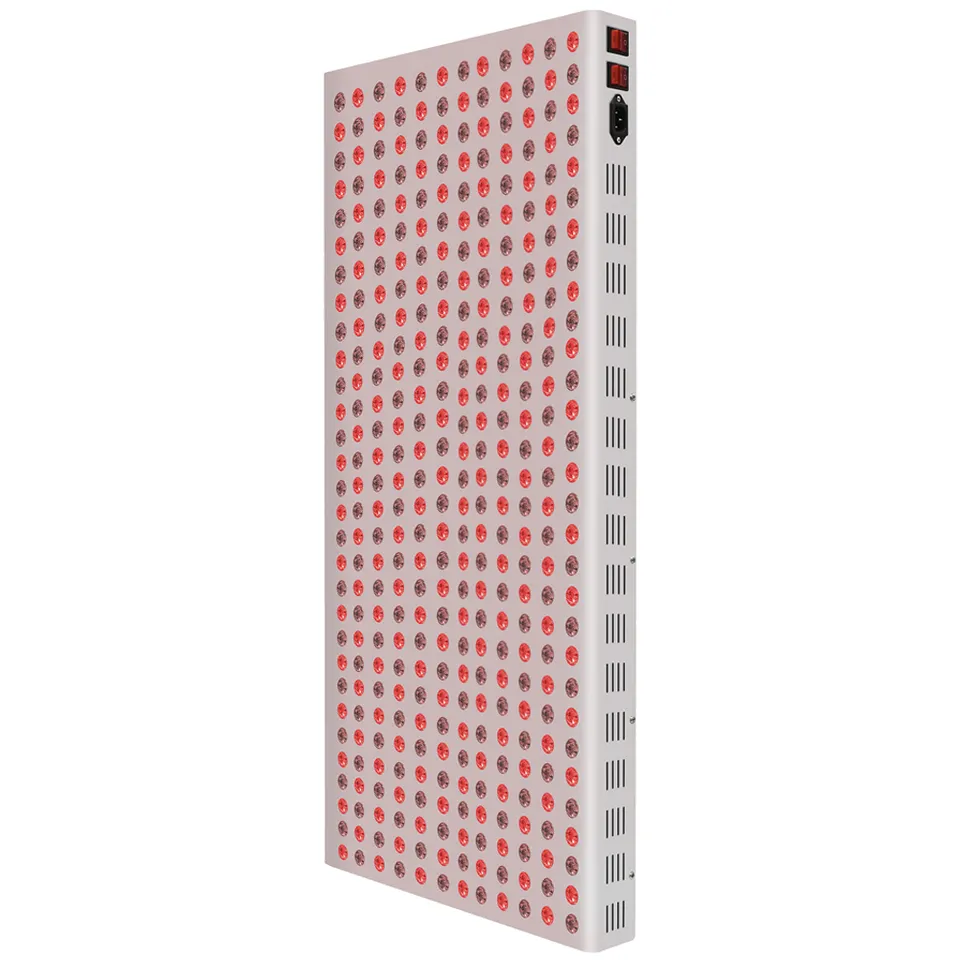
Exquisite FOS 1800W 660nm 850nm LED Red Light Therapy Panel
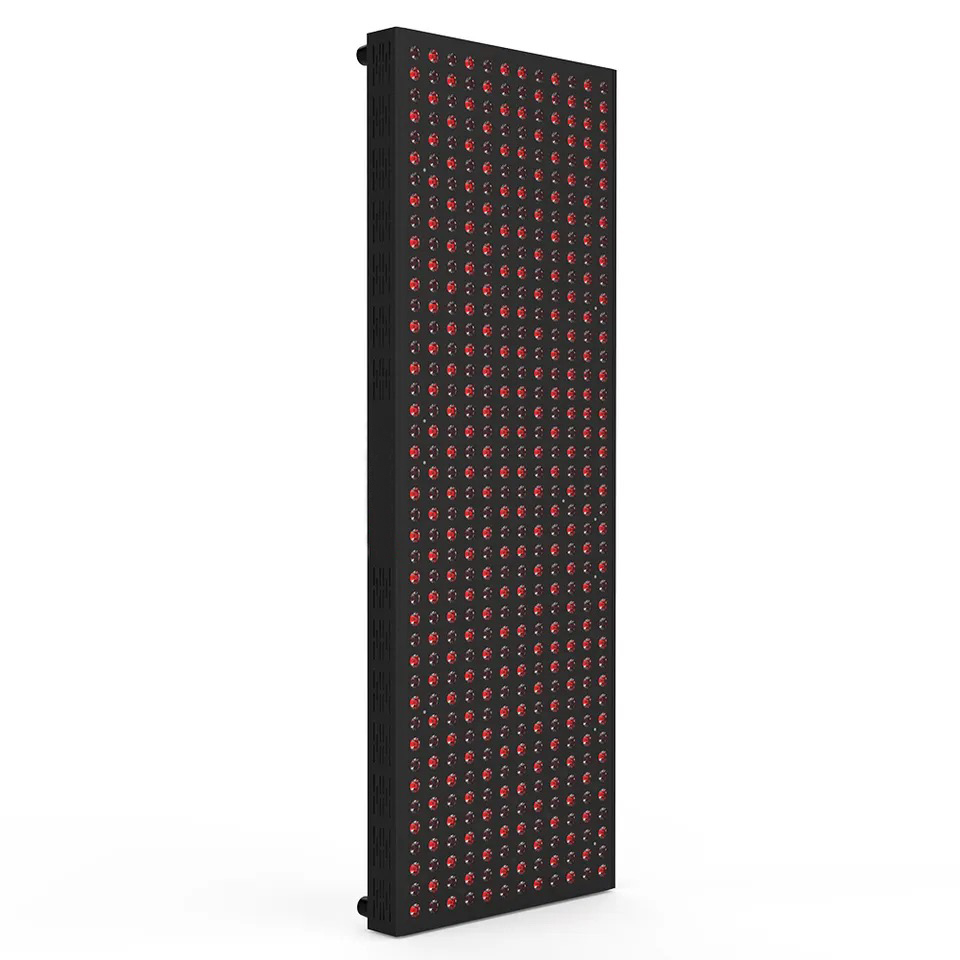
Exquisite FOS 2400W LED Red Light Therapy 630 660nm 830 850nm Infrared Panel
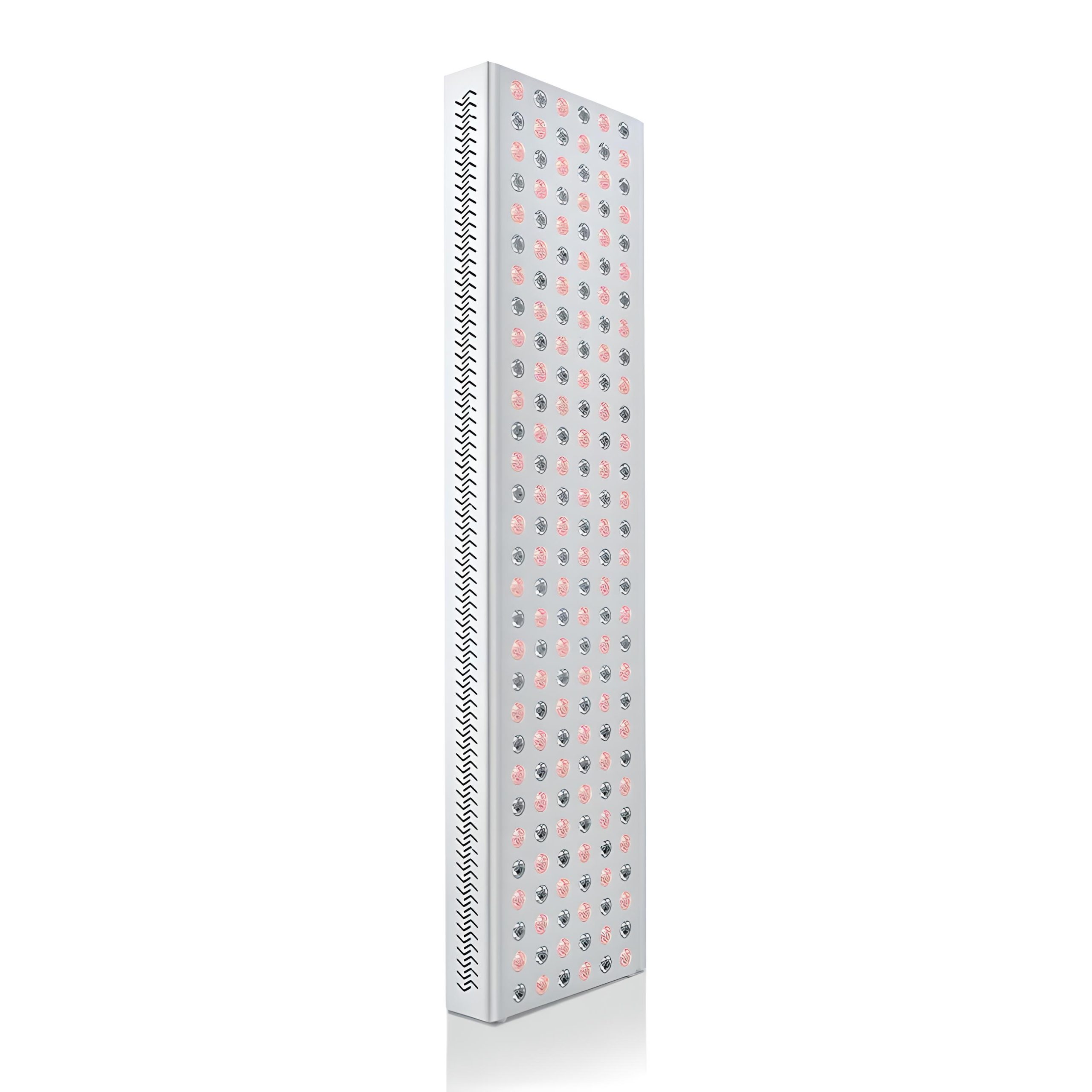
Exquisite FOS PRO 660nm 850nm Portable Red LED Light panel
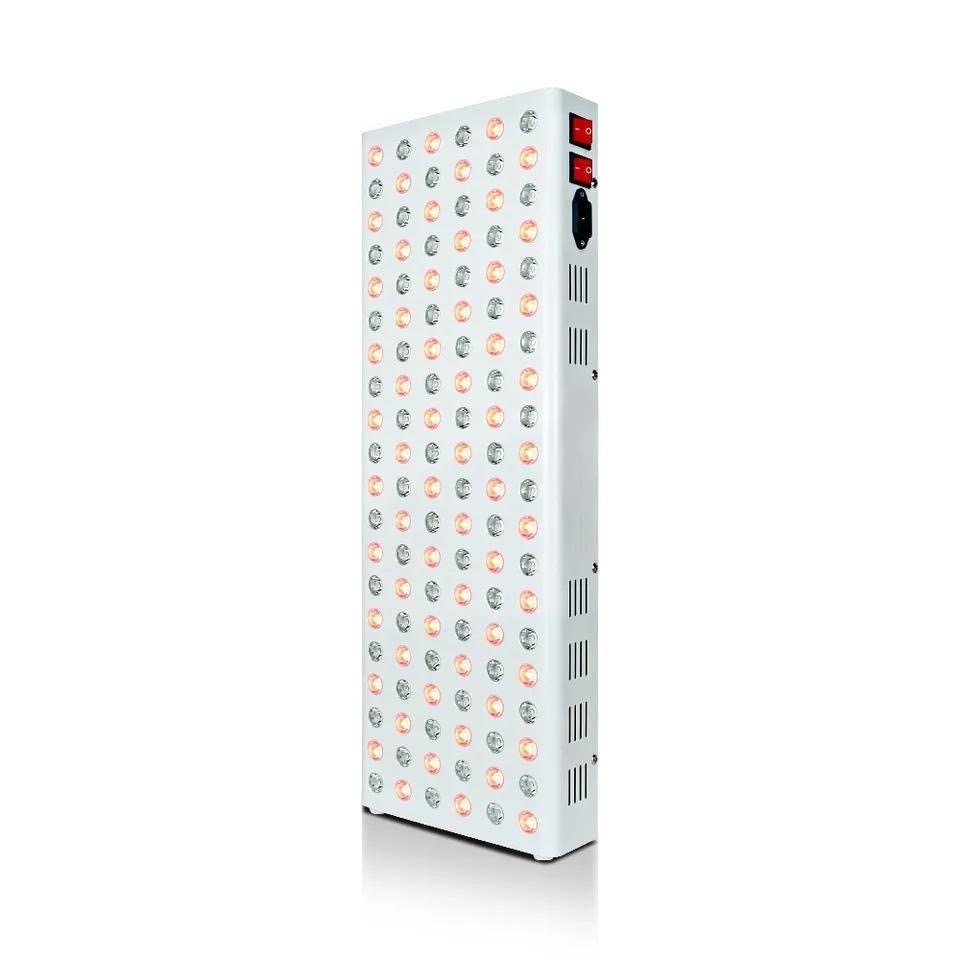
Exquisite FOS 600W LED Red Light Therapy Device 660nm 850nm Red Infrared Light Therapy Panel

Exquisite Eros Elite 8in1 Hydra Microdermabrasion Machine
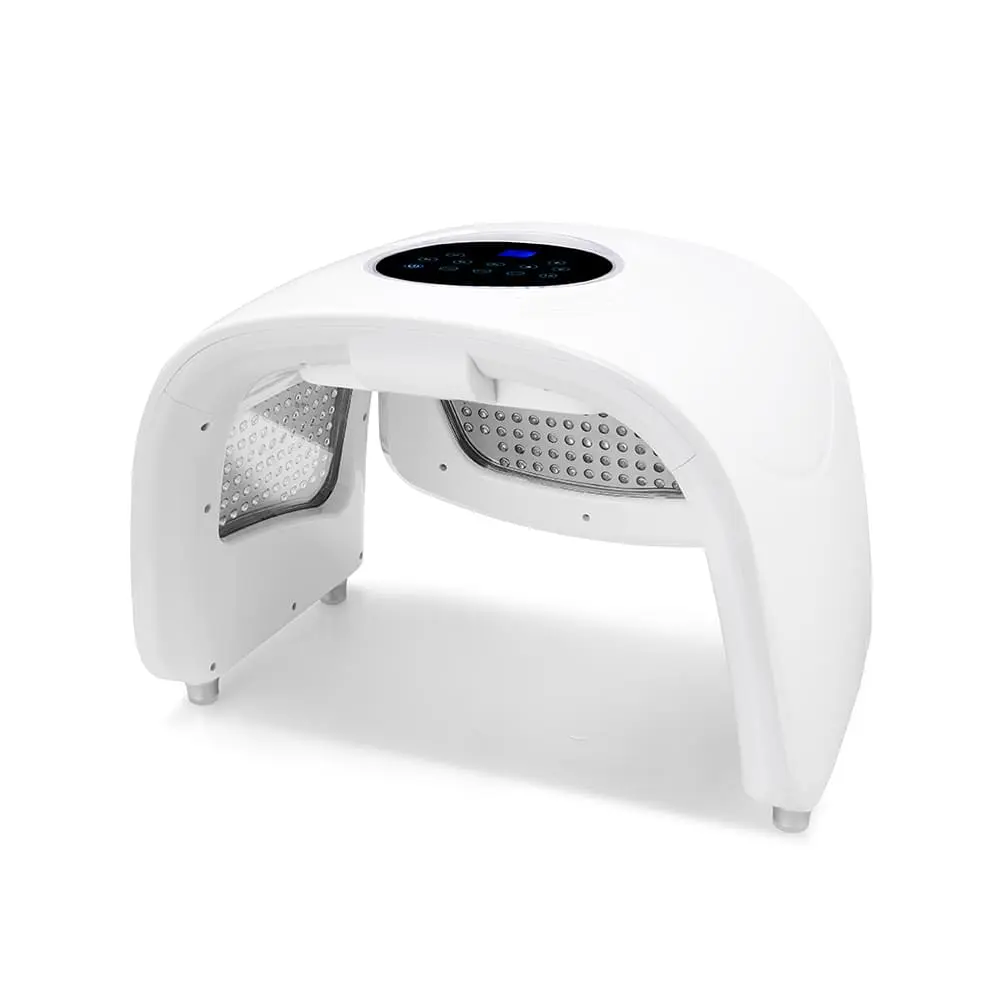
Exquisite 2in1 Ion Spray 7 Color LED Photon Therapy Lamp