

Are red light sources harmful to your eyes? It could be a matter of untruth or common sense to the majority of people, but directing any source of light might not be the best idea however there are always instances of exceptions.
Red light therapy for the eyes is a natural, safe effective and safe treatment for a surprising range of disorders and conditions that affect your eyes, for example. Contrary to other light sources that are powerful like the sun, red light can specifically helps to improve the function of your eyes without negative adverse consequences. Studies have revealed that red light could provide protection to vision and could even help in the reversal of age-related eye (eye) conditions like macular degeneration and glaucoma and eye injury.
However, it’s not recommended to look at the glowing red light for a long period of time however. Although it’s unlikely to cause any permanent damage, it can cause irritation. Furthermore, your eyes do not have to be closed to enjoy the advantages of a red lightapplication for deteriorating eyesight.
Let’s find out how the red light affects your eyes, as well as what precautions you need to be taking when you engage in this kind of therapy at home. First we’ll provide some background information about the way you react when your eyes are exposed to light:
“Light & Eyes”
Natural sunlight appears non-colorless, but is actually an imaginary rainbow of colors including red orange, blue, yellow and violet. These colors are combined to create visible spectrums of light, also known as “white light” and is valued in terms of units referred to as wavelengths. There are visible wavelengths in light like ultraviolet light and infrared light.
Our body can be incredibly dependent on light. For instance the blue wavelengths from the natural sun (the wavelengths which make the sky appear blue) influence the hypothalamus which is a very small area within the brain, which has an important function in the production of hormones. The primary function of the hypothalamus involves regulating the cycle of sleep and wakefulness. Its ability to perform this function is negatively affected by the digital age.
Red Light Therapy Eye Protection
Scientists believe that over exposure to screens may be a contributing factor to macular degeneration an eye disease that can be caused through damage to the retina’s cells that are sensitive to light. Prior to the advent of digital technology there was a time when people could only receive the natural rays of light in any color. Nowadays, due to the widespread use of electronic devices users spend a lot of time staring at screens and the exposure has increased drastically. This has resulted in an increase in the number of vision issues which include macular degeneration. This is why the screen of devices like televisions, laptops, computers tablets, smartphones, and other devices may affect the body’s functions. In the daytime blue light emitted by excessive screen use can enhance the alertness of your brain and improve mood. However, at night it can cause disruption disrupting sleep patterns and leading to sleeplessness.
Red light is renowned for its benefits to the human body, which includes the eyes. The red radiation (630-660nm) along with near infrared (NIR) (810-850nm) is thought to be the most beneficial wavelengths that have wide-ranging applications. Light therapy employs light-emitting diode (LED) devices that emit the red or NIR wavelengths into the eye. It is a non-invasive and safe method of administering red light.
Red light is absorbed into the most outer regions of the body, which is why it is perfect for treating eye problems as well as skin surface issues like chronic skin diseases and loss of hair. It’s still able to penetrate eyelids, which are quite thin, but it won’t penetrate through huge amounts of muscle or bone.
However, NIR has a deeper absorption rate. It boosts the production of stem cells as well as reduces inflammation. It also aids in healing strokes or wounds as well as illnesses. In combination, these two kinds of light activate every part that is visible to your eye, even when they’re closed.
Similar to blue light as well, both red and NIR light also absorbed into the retina, however with no known adverse consequences. The NIR and red light photons stimulate mitochondria (energy cells’ energy centers) to produce more adenosinetriphosphate (ATP) which is the energy of cells. The more energy cells have better functioning, the better they can to repair themselves, as well as recover.
Another positive effect of the red light therapy is the ability to decrease inflammation, which includes inflammation of the eyes. It can happen after an eye injuries or issues caused through chronic stress. In addition, it could cause the destruction of the eye’s tissues. If eye tissue becomes damaged or destroyed, it may cause vision loss or even blindness.
Can LED Lights Damage Your Eyes?
It is a frequent thought for many people to inquire “is the red laser therapy suitable for the eyes” and it is a valid worry, considering that it is well-known that the majority of lights that are projected onto the eyes can harm our eye health.
According to studies that has been conducted, red light therapy can be safe to eyes however it is important to take precautions. It is best administered by a medical professional and should not be administered by self at home.
Contrary to the ultraviolet (UVA or UVB) light the red light won’t cause eye irritation, though there may be a slight warm sensation during treatment. However, because eyes are sensitive to light, they can be damaged when exposed to too much light. The majority of research into the treatment of red light required two minutes of exposure every day or every other day which is a great beginning.
Is it safe to use Red Light Therapy Daily?
Red light is safe and has no negative consequences when used according to the directions However, regular use is usually too much. Studies of using the red light to treat eye issues suggest no greater than 2 minutes of session every day.
Eye Conditions that Are Treatable With Red Light
Research has shown that the use of red light therapy is an effective, safe and efficient option for treating vision loss due to age as well as a myriad of eye diseases. Due to this, this effective treatment technique has recently been recognized by Ophthalmologists as a method of safety to treat various eye disorders.
Reducing Inflammation
As we have previously mentioned Macular degeneration is an eye condition caused by the degeneration of retina’s cells that are sensitive to light. Sometimes, it is called aged-related macular degeneration (AMD) It is the most common cause of blindness for those over 65, and is one of the primary causes of blindness across the world. AMD causes the loss of sharp, central vision that is required to clearly see objects and complete tasks like reading a text book, or on a phone or driving in the dark.
In a lengthy study, a long-termstudy of patients suffering from AMD researchers from Bulgaria discovered that red light therapy greatly enhanced the vision of patients. After receiving treatment, patients saw dramatic improvements in their visual acuity, as determined by their ability to read text that is far away. They also experienced a significant reduction in AMD-related edema as well as hemorrhage. The result was smaller blood vessels being damaged and less distortion of vision and they experienced no adverse negative effects. The researchers concluded that the red light therapy is an efficient and safe method of treating eye diseases that come with age.
While a myriad of factors can be responsible for AMD One factor can cause AMD, but one of them offers an important hint for the treatment of AMD: a decline in the production of adenosine triphosphate (ATP) which is the main cell fuel within the body. ATP production decreases with age, and this decrease is linked to increased inflammation, leading to the loss of vision.
In the year 2015, in a study conducted on mice scientists from UK discovered that NIR treatment reduced the low ATP levels. Researchers concluded that mitochondria are the base (low levels of cellular energetics) for AMD and found it was found that the lower-level NIR light therapy is effective in treating AMD by correcting mitochondrial function.
Amblyopia
Red light therapy has demonstrated tremendous promise for treating the eye condition known as amblyopia, also known as lazy eye. A disorder of vision development amblyopia usually begins in young childhood or infanthood and usually affects only one eye. It is believed to be incurable after it has passed through the “critical phase,” which refers to the first decade of life.
However, in the 2012 clinical study , red light was effective in treating amblyopia the group of adolescents as well as adults. In all, those who received the red light therapy saw significant improvements in “visual acuity” which is the sharpness of their vision. The study revealed that patients who were younger than 18 years old showed the greatest benefits due to the procedure. The study also shows the potential of this technique to treat amblyopia that is long after the critical point.
Corneal Injury
Corneal injuries may include scratches; burns; or encased foreign bodies, such as wood splinters or shards of steel or glass and are usually extremely painful and hard to recover from. In the course of a study conducted in 2016 using rabbits, researchers from Iran found that low-level UV light (810nm) reduced cornea inflammation.
An earlier study conducted by researchers from Bulgaria was conducted on patients with corneas that were not part of the corpus alienum (foreign eyes with foreign bodies). The study revealed that, after foreign objects were removed from the patients eyes, red light therapy using the therapy reduced the time taken to recover by 42 percent.
Diabetic Retinopathy
Diabetic retinal disease is caused by the presence of abnormal amounts of glucose in the eyes’ retina. It can cause the death of the retinal the ganglion cell, crucial for vision. Animal studies have proven that treatment with red light is effective in reducing cell death in ganglions, and the reversal of inflammation caused by diabetes.
Glaucoma
Glaucoma refers to a range of age-related eye diseases that deteriorate the optic nerve and cause the loss of vision over time. There is currently an effective treatment for the glaucoma therefore the primary goal of treatment is reducing the symptoms and maintaining vision to the maximum extent possible.
The latest clinical studies have demonstrated the use of red light therapy as one of the most effective treatments for Glaucoma. It’s safe, natural and doesn’t have the side effects associated in some eye drops, prescription medications as well as the risks that come with surgery.
One of the major causes of glaucoma is the increase in pressure within the eye. This could cause ocular cell death as well as damage of the optic nerve which in turn causes the loss of sight. Research indicates the red-colored light source is especially effective in neuroprotection. This means that it helps reduce the damage pressure causes to cornea and retinal ganglion cells.
Low-level laser therapy can also be effective in promoting the growth of ocular cells and increasing the energy production of ocular cells that assists the cells in successfully healing and re-creating their own cells.
Leber’s Optic Neuropathy
Leber hereditary neuropathy (LHON) is an inheritable type of loss of vision which is responsible for approximately 2percent of blindness. While no research has definitively demonstrated that the use of red light therapy is effective in treating the condition It is well-known that the increase in the biogenesis of mitochondria (or synthesis) could be a viable method to protect retinal ganglion cell cells in people suffering from LHON. A number of studies are being conducted regarding the possibility of red light therapy to combat the immediate effects of mitochondrial degeneration.
Ocular Implants
Ocular implants, also known as prostheses that are designed to support the eye they are employed in cases where there is losing an eye because of injuries or diseases. In a study conducted by a clinical researcher, ocular prosthesis patients treated with low-level laser therapy grew at least 10 days earlier than patients who had post-operative care that consisted of only medications.
Optic Nerve Injury
In the case of pressure to the optic nerve the nerve which connects the eye to the brain, could cause damage or even the death of ocular cells. In the study of 2010 by researchers from Australia discovered that the treatment with red light helped in preventing the death of cells as well as aiding in the restoration of vision after an injury to the optic nerve. Another interesting discovery was the fact that red light aided in protecting cells near an optic nerve injury as a result due to their closer proximity to the damaged region.
Retinitis Pigmentosa
A genetic degenerative disorder that causes the breakdown of cells that make up the retina. The condition known as retinitis can result in night blindness as well as losing peripheral vision. Similar to other degenerative diseases mitochondrial dysfunction and the oxidative stress play a significant role in the progression of this debilitating condition.
In an 2012. study conducted with rodents, scientists employed in 2012 rodent studies, researchers used red (670nm) along with NIR (830nm) light to treat rodents eye. The study showed that treatments with red light increased mitochondrial function, reduced the stress of oxidative aging, and also prevented cell death. This aids in maintaining normal retina function. Based on these promising results, researchers concluded it is likely that the use of red lights may be a viable solution to the treatment and prevention of retinal disorders.
Retinopathy in Prematurity
Infants born prematurely with respiratory problems typically receive oxygen supplemental and can lead to retinal damage and loss of vision or even blindness. Since red light slows the loss of photoreceptor cells, this could be a treatment option for this kind of disorder.
Red Light Eye Therapy to Improve Vision
Research shows that red light therapy has tremendous potential to shield retinal cells from destruction, while also reducing loss of vision as well as reducing inflammation and treating eye injuries. The red light therapy appears to be particularly beneficial in treating eye diseases like macular degeneration and glaucoma. Find out more about the various ways in which red light can aid in restoring cornea function through our Learn section on our website. You can also consult your eye doctor about possible use of red light to enhance your vision.
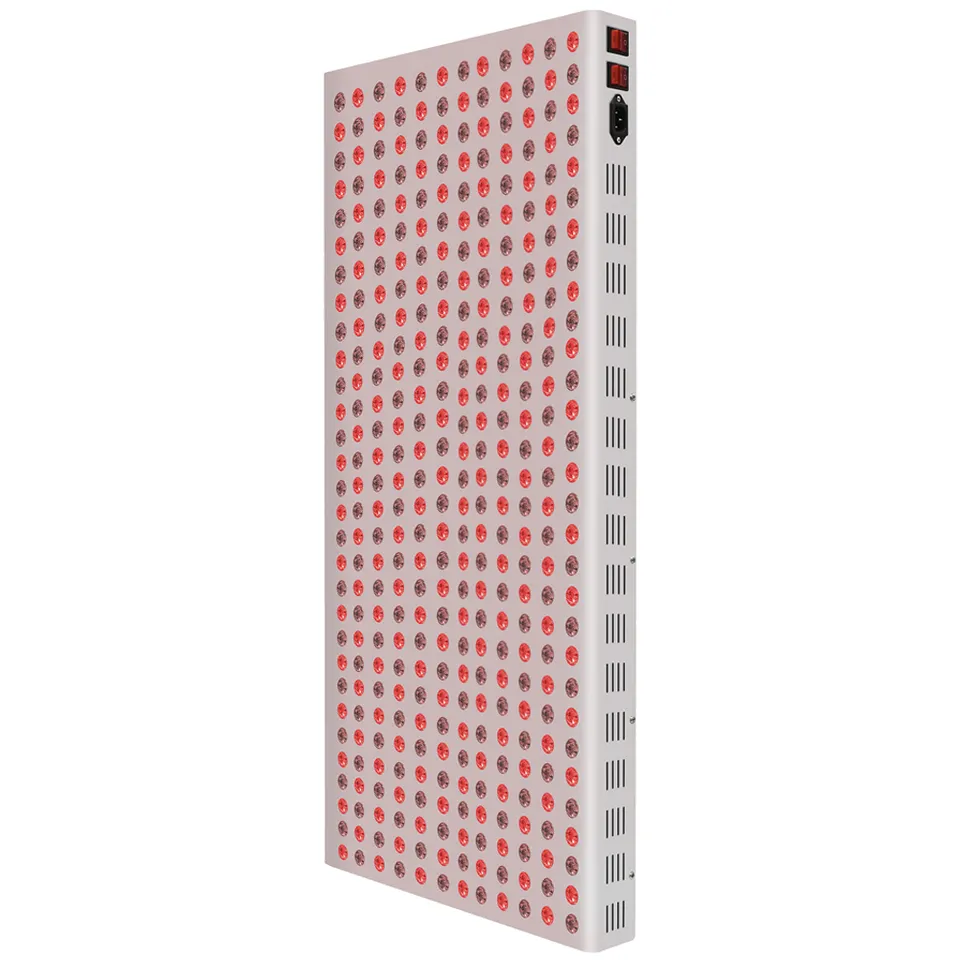
Exquisite FOS 1800W 660nm 850nm LED Red Light Therapy Panel
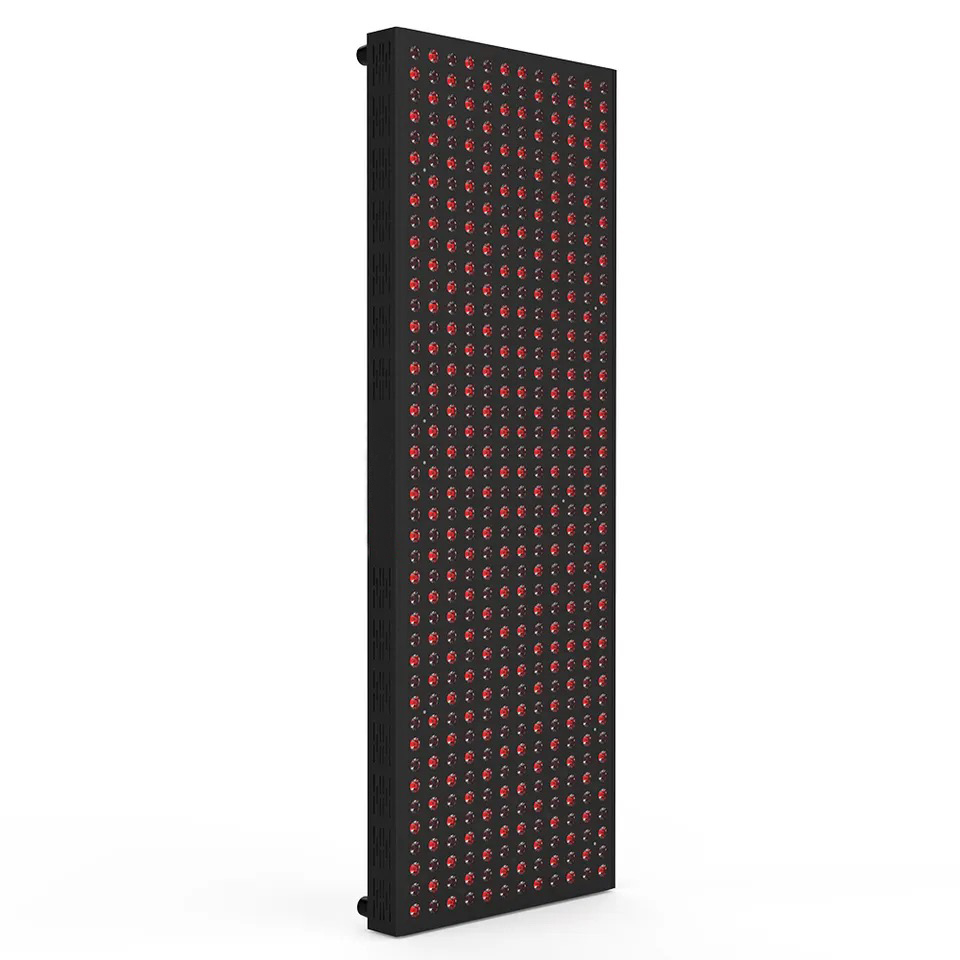
Exquisite FOS 2400W LED Red Light Therapy 630 660nm 830 850nm Infrared Panel
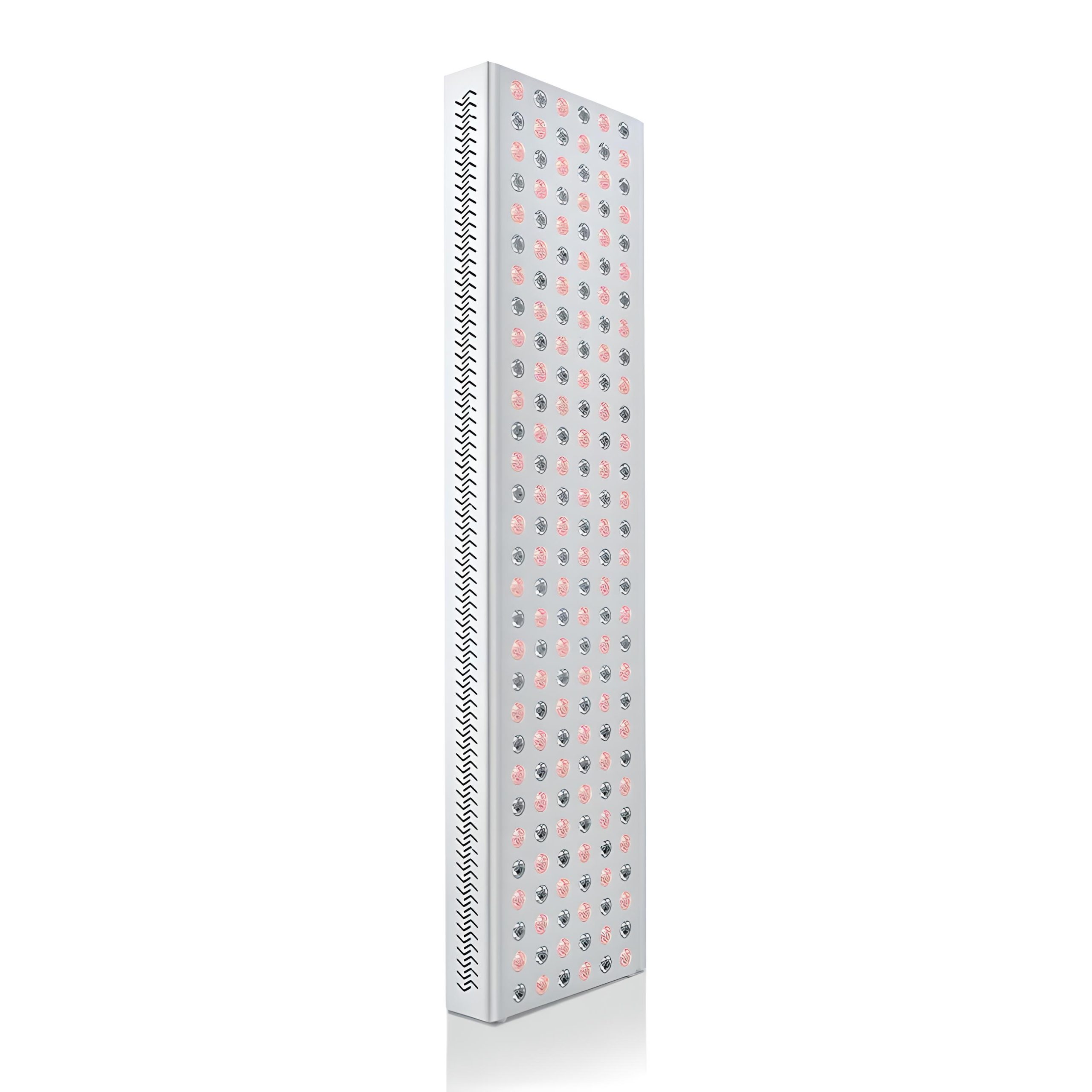
Exquisite FOS PRO 660nm 850nm Portable Red LED Light panel
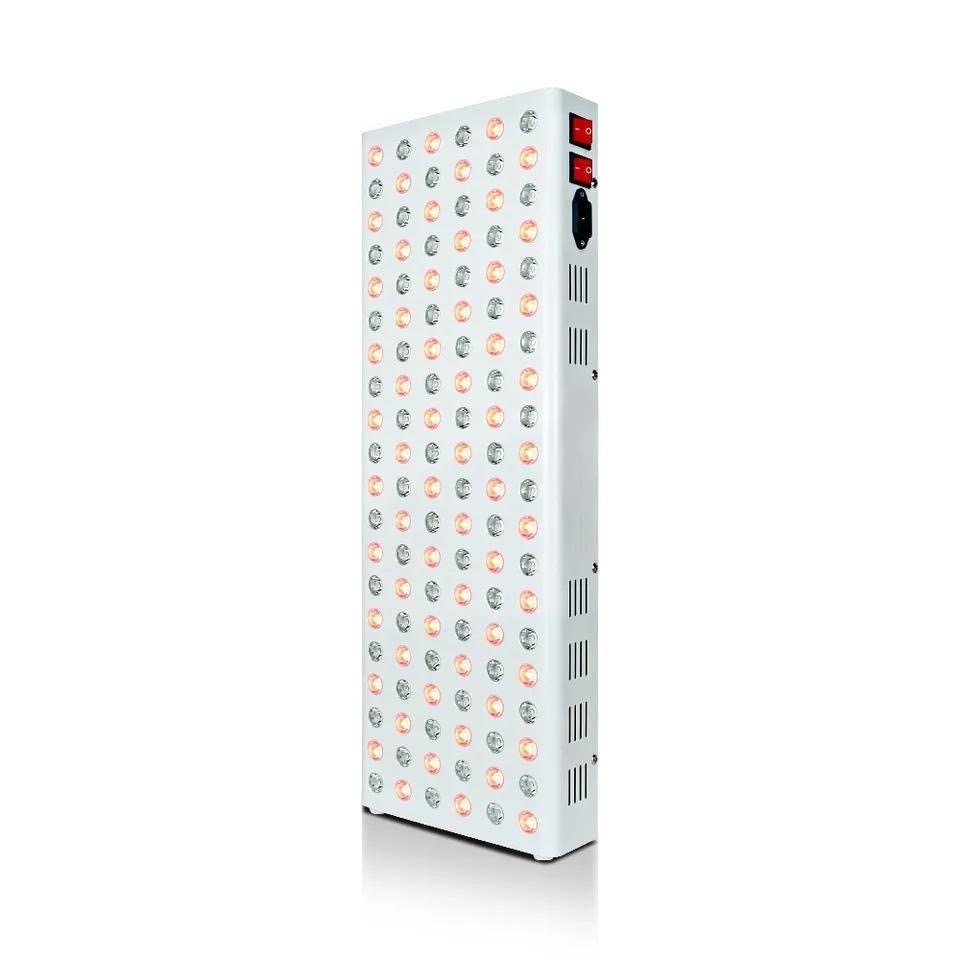
Exquisite FOS 600W LED Red Light Therapy Device 660nm 850nm Red Infrared Light Therapy Panel

Exquisite Eros Elite 8in1 Hydra Microdermabrasion Machine
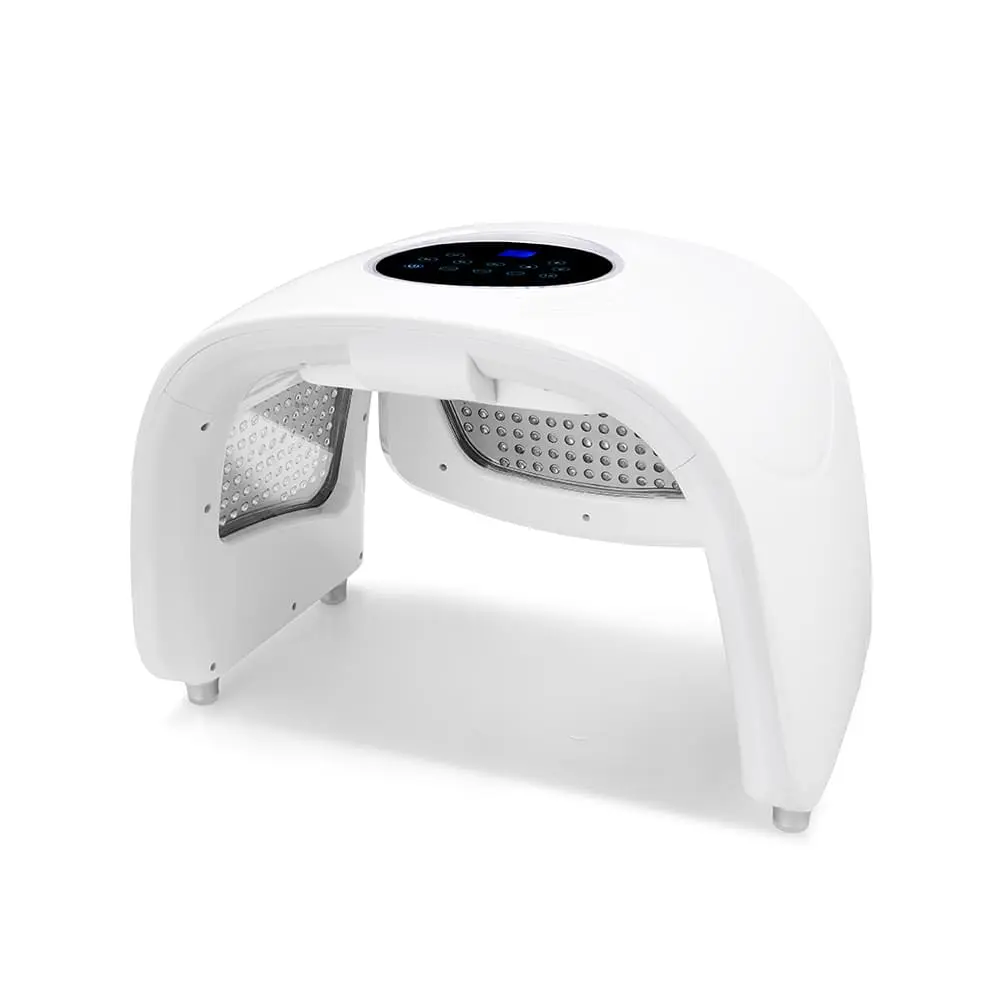
Exquisite 2in1 Ion Spray 7 Color LED Photon Therapy Lamp
Frequently Answered Questions
Q. Do you require eye protection in conjunction with the treatment with red light?
Ans: Wearing eye protection is not necessary however the light is bright and can be uncomfortable for people who has sensitivity to light. Therefore, it is recommended to wear transparent glasses to be more secure.
Q. Do I have to keep my eyes closed or open when I am receiving treatment with red light?
Answer: It’s not required to stare towards the bright red lights in order to benefit from the advantages of applying red light for deteriorating eyesight.