

If you’re one of the 35million men or 21plus million females within the United States who experience hair falling out more quickly than it grows back in the first place, you’re aware of how difficult it is to stop hair loss, or even restore natural hair growth. Creams or pills, as well as surgical treatments, are frequently touted as solutions. They often have consequences, but they can cause many to look for natural non-invasive, safe solutions. The treatment of red light therapy for hair loss is promising as a long-term solution. Studies have proved that it can reverse the process of balding and increase natural growth.
In this article, we’ll look at the results of a few studies and research to demonstrate the way that Red light therapy (RLT) is effective for male pattern baldness as well as female pattern baldness. We’ll guide you on how to utilize red light therapy at home to get the best results.
How Does Red Light Therapy Work to Restore Hair?
Hair loss is a devastating emotional strain on both women and men. While some individuals sport the look of baldness it’s not the best option for everyone suffering from male pattern hair loss; It’s not a popular alternative for women suffering from female pattern hair loss.
If you’re experiencing poor results or experiencing negative side effects from the most popular hair restoration treatments to treat men and women, this article will explain why a red light Therapy tratment can be a pivotal decision.
The treatment of red light therapy for hair loss is supported by research findings. This 100% natural and non-invasive procedure to restore the normal growth cycle for hair has proven to be effective in reversing hair loss with no disruptive negative side effects. Research has shown many benefits for hair on the human scalp, such as increased density of hair and count.
How Does Red Light Therapy Promote Hair Growth?
Red light is a part of the visible spectrum, which is the majority of sunlight that is natural. Scientists have determined the effects of every spectrum of visible as well as invisible light. Of all the wavelengths investigated that were studied, red light has been extensively proven to promote positive biochemical functioning within the human body.
The Red Light therapy, often referred to as low-level laser therapy (LLLT) was first found to be a cure for hair loss in the 1960s. it was discovered by accident. The discovery was made by a Hungarian scientist who was conducting research using mice, and shaved the backs of mice.
After a number of sessions, the researcher was astonished to find hair appearing around the areas of shaving on the mice. It was also evident that it was more dense than prior to. The discovery opened the door to fascinating new discoveries in science regarding the immense potential of this treatment.
The field of science is moving forward and, at present, RLT utilizes high-power light-emitting diode (LED) bulbs to flood the body with healing light.
What is the mechanism behind it? In short, our bodies react to light the same way as plants respond to sunlight by generating more energy in cells. This causes a cascade effect that results in other positive biological functions.
What wavelengths are included In Red Light Therapy?
Red light therapy consists of both near-infrared and red light NIR which is among the longest wavelengths. The red light spectrum spans between the 630 nm range (nm) to 700nm and near-infrared light ranges between 700nm and 1100nm. Studies have shown that light within the 630nm-660nm range is the most effective in treating hair loss.
Before you begin this type of treatment, make sure to consult your physician. This is particularly crucial when you’ve experienced abrupt or sudden hair loss, which could indicate an underlying problem that is more severe than normal hair loss for females or males.
It’s important to talk with your physician if you are taking any medications that cause photosensitivity.
Kinds of Hairloss: Red Light Therapy Effectiveness Periods
Red light therapy can provide a myriad of advantages. It has been shown to be particularly effective in treating baldness, specifically both female and male-pattern hair loss due to genetics which is called androgenetic or androgenic Alopecia (AGA). Other major causes leading to hair loss are chronic stress as well as poor nutrition, constant inflammation and hormonal changes (including because of pregnancy) thyroid diseases as well as lupus, ringworm, and auto-immune disorders such as alopecia areata, lichen planus. Also, excessively styling (hair can be permanently damaged due to the harsh chemicals).
If you’re losing hair due to chemotherapy treatment or with other medications that can cause hair loss, then you’ll be required to wait until you’re off these medications before you are able to see any results. Once you’ve stopped chemotherapy, RLT can work to stop the loss of hair caused by chemical treatments and encourage hair growth through promoting healthy cell functioning.
The Way Red Light Therapy Works to Grow Hair
The hair sheds, but the hair follicles are left but they cease to produce hair gradually at the same time. There are times when production slows, sometimes, the hair follicles are left inactive. Hair loss is natural (we generally lose between 60 and 100 hairs per day, out of a population of hundreds of thousands). You observe that your hair follicles aren’t functioning when the new hair is either slow in replacing hairs lost, or your new hair appears weak and thin or the growth ceases completely.
The key, therefore, is to bring hair follicles to come out of dormancy and to support their health, so that they can regenerate hair.
What we think of as “hair” is mainly made up of keratin, a protein that forms hair’s shaft. Hair growth occurs beneath the surface of the hair follicles. Hair follicles are tube-like structures that binds hair in the skin. At the bottom of each hair follicle lies the hair bulb (the entire thing appears like a vase). In the bulbous portion of the vase is the dermal papilla and matrix. This is where the hair starts to grow.
However, growth of hair will slow or cease completely if the special cells that regulate the hair’s growth aren’t functioning correctly. This is where the red light therapy kicks in and causes hair to grow and grow in thickness.
Improved Cellular Energy
Red light reaches the skin from the bottom of every hair follicle within the area of treatment. If the light particles absorb through the skin to reach individual cells, they communicate with receptors that are sensitive to light in the mitochondria which are organelles that generate energy within the cells. The interaction triggers the production of the adenosine triphosphate (ATP) which is the main cell fuel.
When cells are properly fueled, they perform better. Healthy cells perform their job better, reproduce more effectively, and protect themselves from environment-related stressors and oxidative pathogens.
The treatment of red light therapy is renowned for its ability to decrease inflammation that could be affecting normal cell energy production and function. It can also slow down the death of cells. The longer the cell’s death process the more healthy cells to complete their job. Long-lived, healthy cells directly impact their neighbors’ cells and the entire system or organ in general.
When the cells within the hair follicles become functional the papillae produce more keratin, resulting in the capacity to grow new hair.
The Production of Collagen is Increased
Low-level light therapy can also increase the amount of collagen, a different kind of protein that is found within the human body. Collagen isn’t found in hair, however as per the findings of this 2013 study conducted by Chinese scientists, the protein works as an antioxidant that fights the damage caused by free radicals. They are harmful substances that are produced within the body when stressed or as a result of environmental factors like pollution chemotherapy-induced hair loss, or malnutrition.
Free radicals harm hair follicle cells, which results in their inability to develop hair. A higher level of collagen results in less damage to oxidative processes and can improve hair follicle function.
More Microcirculation to the Scalp
The use of red light therapy has been proven to enhance the development of capillaries that are new, which enhances the flow of blood to the scalp, and also provides nutrients and oxygen to cells.
A rise in blood flow can also bring more white blood cells into the area, which is vital in the case of disease-related hair loss or suffering from an abnormal inflammation response that may hinder normal hair follicle function. It’s not only the flow of blood that is improved capillaries; they are also present throughout the lymphatic system which helps eliminate waste that could cause damage to hair follicles.
The Massachusetts General Hospital study connected increased blood flow with the growth of healthier, thicker hair. Hairstylists and barbers have long recommended that women and men massage their scalps to boost blood flow. It is possible to combine the scalp massage with light therapy to increase circulation in the scalp. This can “wake up” hair follicles that have been dormant and boost the energy of your cells.
Does Red Light Therapy Have Any Negative Side Effects?
In the numerous studies that have been conducted of red light therapy practically no side effects have been observed. Certain people who have sensitive skin might experience some temporary tightness or redness. But, this isn’t an indication of a sun burn that results from overexposure to UV light. The red light is not a cause of burns. Redness and tightness are likely caused by an increase in blood flow to the area being treated and will subside in several minutes following treatment.
Certain medications for hair restoration may create unwanted hair growth but this isn’t the case with low-level laser therapy. Since it stimulates the body’s natural growth processes hair grows only exactly where it is normally, and not in targeted regions.
The next part, we will discuss the clinical trials conducted on red light therapy as a method to treat permanent loss of hair (not temporary loss of hair due to cancer treatment) through RLT, specifically low-level laser therapy administered via lower-powered red laser devices for treatment.
Laser therapy is generally performed in a clinical setting; the few devices for laser therapy that are available for use by consumers are tiny and underpowered, which means that it could take a long time to treat your entire scalp.
But LED devices emitting red light are equally effective in stimulating hair growth like visible red light laser treatments. LED devices provide a secure and efficient at-home treatment.
Clinical Trials
The treatment of red light is extensively researched as a relief of permanent hair loss sufferers. Clinical study after clinical trial confirms RLT as a secure and painless treatment to encourage healthy growth of hair. Here are some of them:
Hair Growth Boosted 37 percent
The study carried out in the year 2014 included 42 women aged between 18 and 60 who suffered from androgenetic alopecia. The group receiving treatment received 25-minute Red light treatment using LEDs every day over a period of 60 days. The other group received a placebo treatment. Following the conclusion of research, participants in the one group receiving treatment saw a 37 percent increase in hair growth compared with the control group, while no one experienced any adverse reactions.
Hair Growth Up 51 Percent
More amazing results were obtained in an 2017 clinical study on women suffering from androgenetic Alopecia. A group of women between 18 and 60 were treated with daily treatments with red light each every day for 17 weeks in contrast, the group that was left received placebo treatment. Participants who received treatment had a 51 percent rise in hair counts when compared to the control group treated with sham.
The Growth of hair was thick thick
A meta-analysis from 2017 looked at 11 studies that examined the use of red light for loss of hair due to androgenetic alopecia. These studies combined comprised 680 participants (444 males and 236 females). Nine of the 11 studies reported statistically significant improvements in hair counts, strength along with volume (thickness) for both men as well as women after receiving RLT.Win.
Superior to Other Treatments and has No Side Effects
A meta-analysis of 2018 examined 22 studies about androgenetic alopecia. They compared the effects of RLT with other treatments commonly used to treat hair loss, such as top non-surgical options. The researchers concluded RLT was significantly more effective in impact on treating baldness, with no adverse side effects.
Effective & Safe
The study enrolled 100 males suffering from androgenetic alopecia. The participants received three 30 minutes of low-level laser treatments every week for a period of 24 months on the one side of their head and a sham therapy on the opposite part of their head. The treated areas had significant increases in hair density and count than the untreated side. There were no undesirable side effects or adverse reactions reported.
This study from 2018 conducted by scientists in Taiwan concluded that red light therapy appeared to be a viable and safe treatment for male pattern baldness.
Improved Dermal Papilla Cell Function
A study in 2019 focused on men suffering from androgenetic alopecia. The study found that RLT provided via low level laser therapy improved the function of dermal papilla cells. Participants received 25-minute red light treatments every other every day for a period of 24 weeks.
After the study was completed the researchers examined the scalp tissues of biopsied patients with androgenetic hair loss before and after treatment with low-level laser therapy.
Their study showed a statistically significant rise in proteins that suggest an improvement in dermal papilla cells’ function. consequently, research suggests the advantages of RLT for treating androgenetic hair loss.
Making use of Red Light Therapy at Home for Hair Loss Treatment
It is possible to treat female and male pattern baldness, and encourage healing for other ailments by using red light therapy from the privacy and comfort at home. Indeed … that means that you will have more hair growth while managing various aches and pains as well as accelerating muscle growth and reversing the clock in aging.
How to Get the Most Effective Results
Successfully in RLT is dependent on the correct device.
A powerful LED Panel
The most important thing is to choose the best quality, high-light power LED devices for light therapy.
Laser treatment for hair loss is carried out in a clinic for hair loss which is expensive. It is possible to achieve the same result by making use of an LED red light therapy panel with less time as it allows users to cover a greater area in one go and will allow you to experience the benefits of hair growth treatments at the comfort of your home.
Caps for treatment with red light specially designed for treating hair loss may be beneficial. However, since there are many other advantages to the red light, you’ll benefit the most from your investment by selecting an effective lighting device that offers the ability to treat other areas of your body in addition to your scalp.
Do red light therapies work for other physical ailments? Absolutely! We’ve already mentioned some advantages.
To learn more about the strength and flexibility of RLT Check out our Learning page for LED Photon for content on a variety of subjects, including:
- healing of wounds
- joint pain due to osteoarthritis
- improved skin tone
- Anti-aging
- health of the brain
- Eye health
as well as losing weight (Go weight loss).
The best value comes with a device that is powerful and emits both red and infrared light. Exquisite Depot offers the high power output and advanced near infrared and red spectrum on its machines. This will give you the highest quality results when you use at-home light therapy for hair growth and a variety of other ailments.
A combination of red as well as near Infrared Light
This combination provides a superior method for hair restoration because near-infrared light intensifies those effects that red light has. The red light (630-660nm) encourages growth of hair and growth, while the near-infrared spectrum (810-850nm) provides a different dimension, helping to deal with any conditions that may be contributing to loss of hair, such as chronic hormone imbalances or inflammation.
Near-infrared light photons penetrate deeply in the body sometimes through bone, and trigger cells that produce white stem cells as well as blood cells.
One of the potential causes of hair loss could be the condition known as hypothyroidism (underactive thyroid disorder) an illness where the thyroid gland isn’t producing enough of the hormones that are crucial to our health.
From 2006 to 2009 Researchers from the University of Sao Paulo Medical School administered the hypothyroidism sufferers with low-level laser therapy by using 830nm near-infrared lights, and observed an improvement in thyroid functions. As part of the 2014. following study in similar patients, researchers evaluated the long-term efficacy of red light therapy. They concluded that the red treatment is secure for long-term use to enhance or sustain the results of the initial study.
If you’re treating other ailments by using red light to stimulate the growth of hair Near-infrared light is employed to treat sore muscles, neuropathy, joints pain, as well as low back pain. If you suffer from inflammation skin disorders, such as Rosacea, near-infrared light could aid in reducing inflammation.
A Right Distance to The Light Source
The importance of LED sources is in the way they are used and so is the method you utilize these sources.
The best distance for most effective treatment using the red light therapy is 4″ or 6″ away from the machine light. In this range, the entire force from the beam will be taken up by the hair follicles. Remember that hair’s ability to disperse light. As a result, you’ll need to come as close as you can during the procedure to ensure that the greatest amount of light can be able to reach and stimulate hair growth in hair follicles which come into active growth.
As the majority of hair loss happens in the upper part on the scalp, you can sit in a comfy recliner and prop the light against the wall vertically behind you. Do your best to get the hair as far away from your face as you can however, don’t fret that a few strands slip behind you. If you’re using a strong sufficient device, the scalp will be exposed to enough light.
Consistent Treatment
The consistency of treatment is crucial.
The best results will be achieved by having sessions lasting between 10 and 20 minutes each, 3 to 5 times a week, for at least three months. Following this initial time of treatment you’ll be able to maintain your gains with an ongoing maintenance program that includes a 20-minute session every four to five times every week.
Many months of continuous exposure to light in the red spectrum will be needed before you will notice any significant changes. This is due to the natural development process that starts at the level of cellular. Although hair cells are growing rapidly, the aim is to increase the number of hair follicles which could be in the hundreds of thousands, so give them time for it to “wake awake” and begin producing hair once more.
The positive side is that LED treatments using red light therapy are soothing and relaxing Many people mix them with a brief meditation time that helps lower stress levels – which, in turn, is a different reason for hair loss.
It is important to not look at your results in comparison to others, as the loss of hair in different people is not due to the same root issues. There are many other causes, like chronic stress and vitamin D deficiencies as well as other deficiencies in nutrition that affect the growth of hair.
Blending Red Light Therapy with Other Hair Loss Treatments
No matter how hair is lost, the main concern is getting it back. Here’s a brief overview of some common treatments:
- Creams that are available over-the-counter or prescription (Minoxidil as well as Finasteride) provide a powerful therapeutic effect, however they can trigger extreme skin irritations, itching, and a variety of other adverse reactions for certain people.
- Hair transplants remove hair from areas with greater hair (such as the earlobes) and transfer it to the area that is thinning. The procedure is standard procedure, but it’s expensive. It can take as long as eight hours, and is usually painful. Although it’s advertised as permanent, the success of the procedure is contingent on the capacity for the hair’s scalp to regenerate hair naturally. After two to eight weeks of surgery, hair transplanted will shed; the majority of patients will see a 60 percent increase in growth within six to nine months. The side effects can include hair loss due to nerve damage and a variety of surgical complications.
- Microneedling creates small punctures to the skin causing your body to naturally produce what it needs to create thicker and fuller hair. Learn more about it on our blog.
If you are able to tolerate topical medication well, consider combining the two with red light treatment. Be sure to apply your cream following the treatment with red light to avoid blocking any light beams from absorption into your skin.
A study from 2017 evaluated how red light treatment affects hair loss in comparison to Minoxidil 5% topical application, a well-known treatment for women who suffer from female hair loss. Forty-five patients were divided into 3 groups. One was treated with only red light, one was treated with Minoxidil topical only while the third group received a mixture of both treatments. Researchers concluded that the red light therapy treatments are effective and that the combination of Minoxidil and light red can speed up hair growth.
Red Light Therapy Before and After Hair Regrowth Pictures
Hair growth for everyone is at different rates, and the likelihood of regrowth in hair is contingent on the factors that influence the growth of hair. In the case of genetics, for instance, they can cause male or female pattern baldness, but hair loss may be due to hormonal imbalances or constant stress. Be certain not to compare your results with any other person. In that regard, Here are some hair growth results people in clinical studies have had.

Credit: Raymond J. Lanzafame and colleagues., “The growth of female human scalp hair with visible red light lasers as well as LED sources” Lasers in Surgery and Medicine October 2014. www.ncbi.nlm.nih.gov/pmc/articles/PMC4265291

Credit: Poonkiat Suchonwanit et al., “Low-level laser therapy to treat androgenetic alopecia (androgenetic alopecia) in Thai females and males for 24 weeks: a randomized, double-blind, study that was controlled by a device” Lasers in Medical Science December 2018.https://link.springer.com/article/10.1007/s10103-018-02699-9
Reviews: The effectiveness of Red Light Therapy on Hair Regrowth
See any of our products and the many positive reviews from businesses to at home beauty mavens and fashionistas. The products work!
Restoring the Health of your Hair The Red Light Way
According to numerous studies that red light therapy can help increase hair growth in women and men who suffer from loss of hair pattern. In time and time it has been proven to boost hair count, increase hair thickness and improve the patient’s satisfaction.
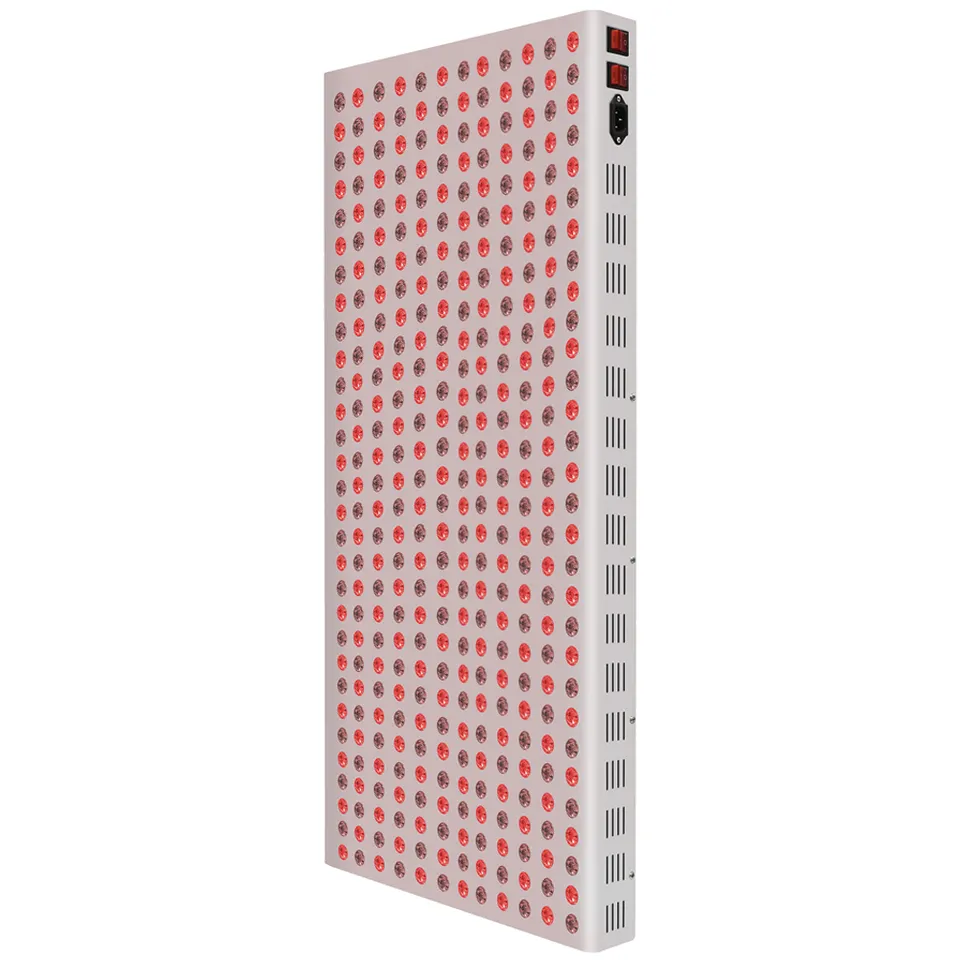
Exquisite FOS 1800W 660nm 850nm LED Red Light Therapy Panel
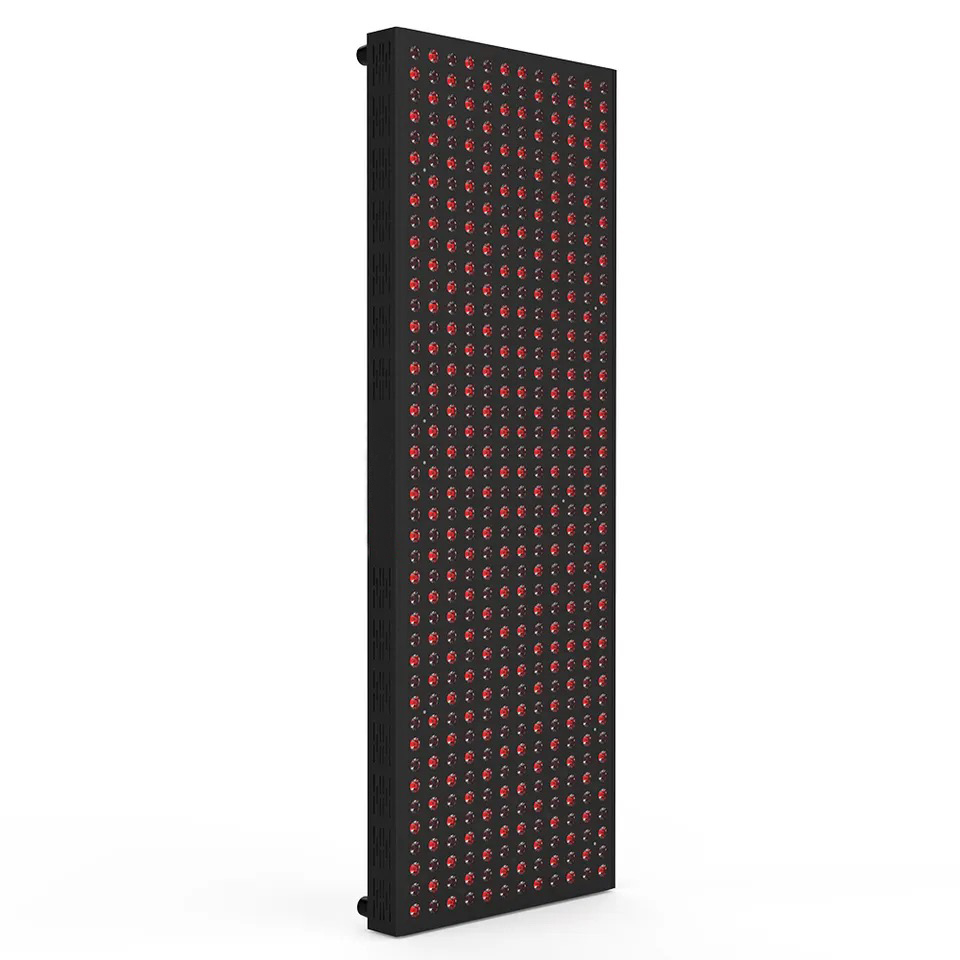
Exquisite FOS 2400W LED Red Light Therapy 630 660nm 830 850nm Infrared Panel
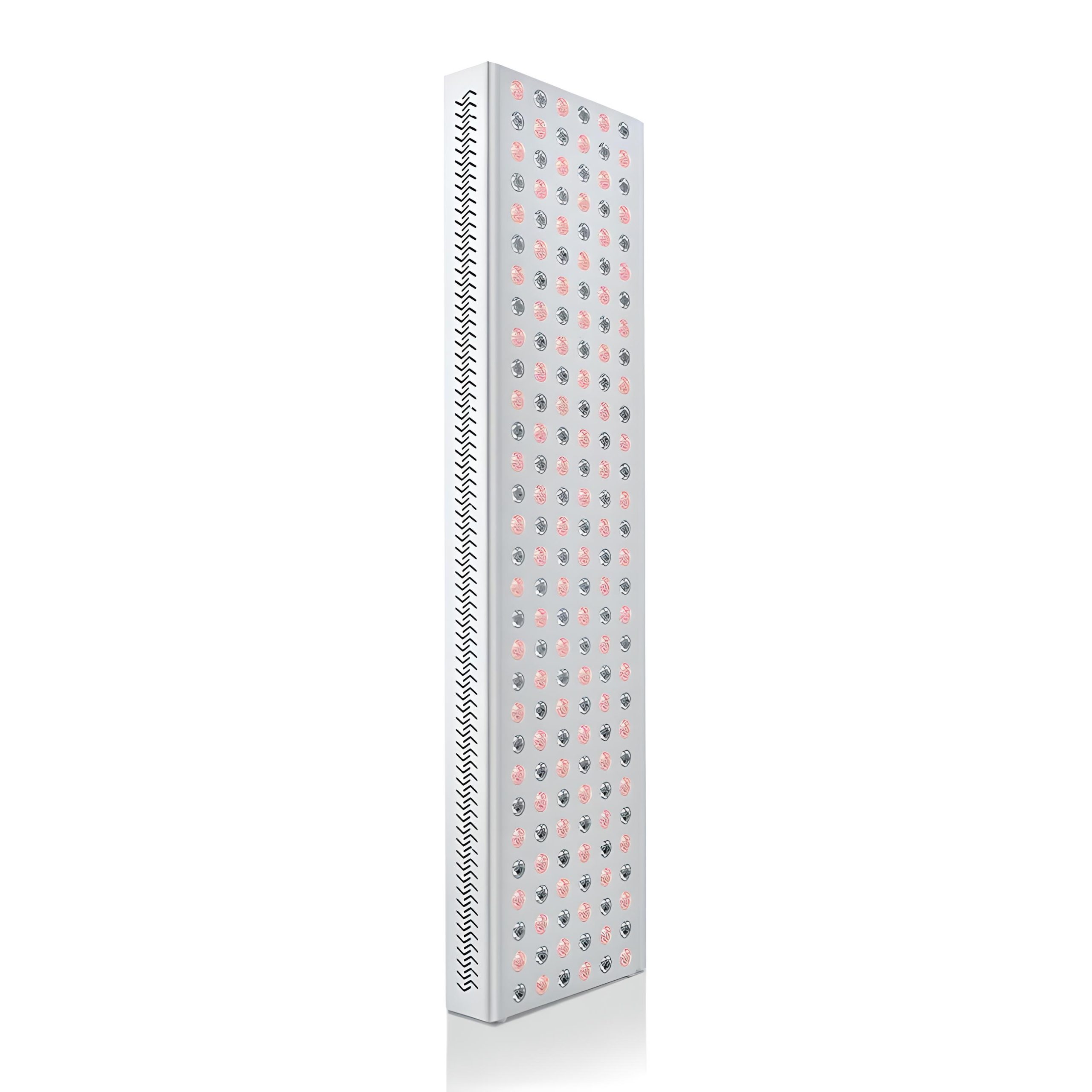
Exquisite FOS PRO 660nm 850nm Portable Red LED Light panel
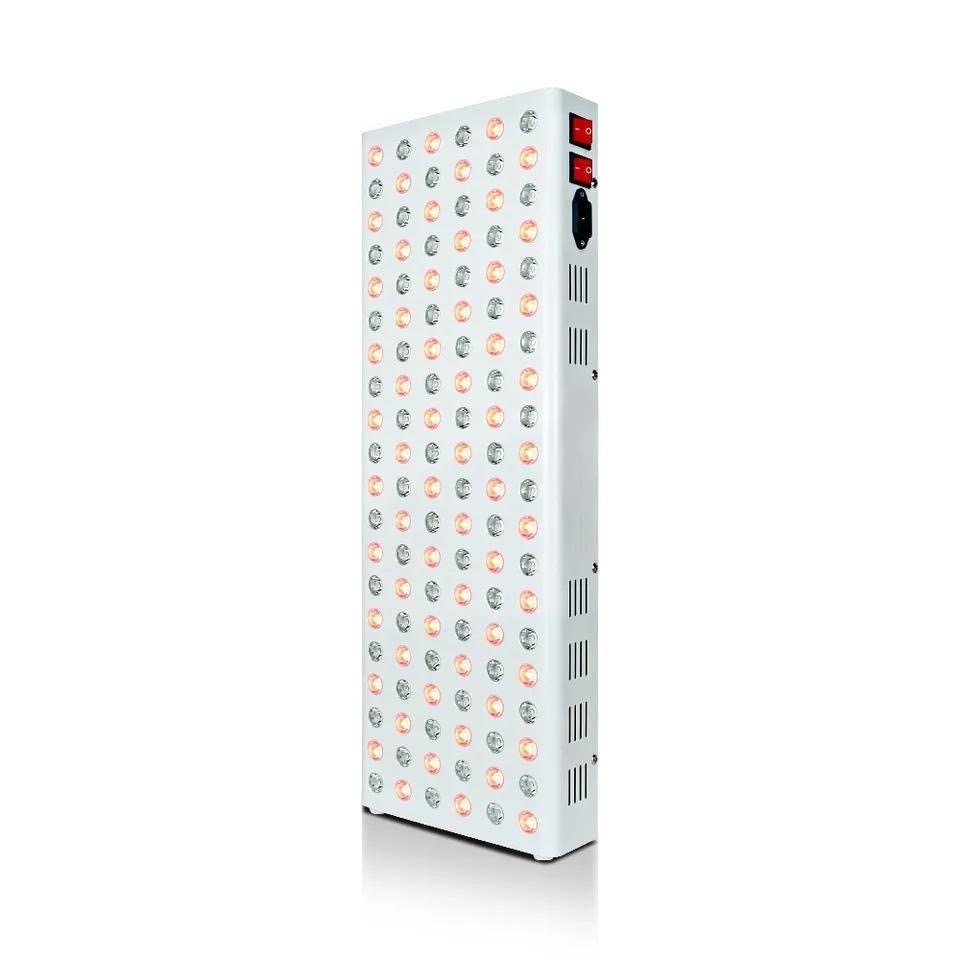
Exquisite FOS 600W LED Red Light Therapy Device 660nm 850nm Red Infrared Light Therapy Panel
Exquisite FOS 1800W 660nm 850nm LED Red Light Therapy Panel
Exquisite FOS 2400W LED Red Light Therapy 630 660nm 830 850nm Infrared Panel
Exquisite FOS PRO 660nm 850nm Portable Red LED Light panel
Exquisite FOS 600W LED Red Light Therapy Device 660nm 850nm Red Infrared Light Therapy Panel

Exquisite Eros Elite 8in1 Hydra Microdermabrasion Machine
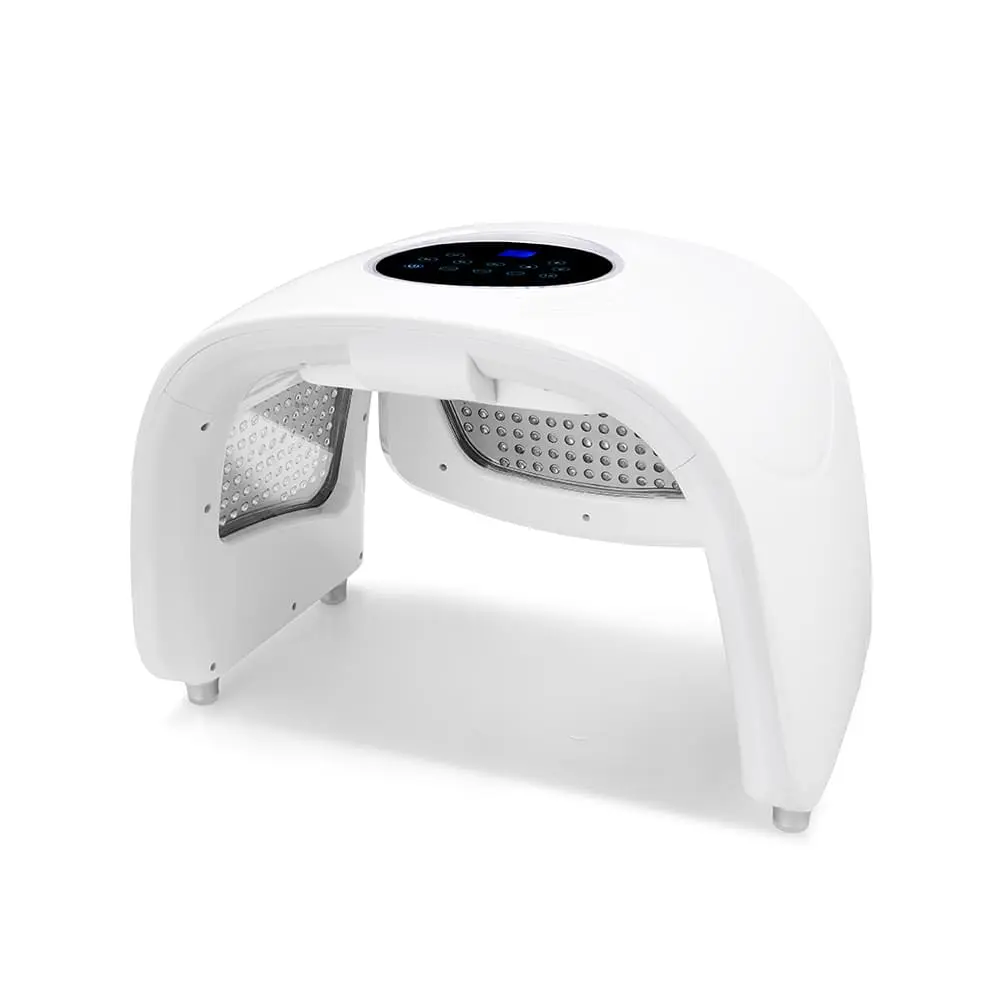
Exquisite 2in1 Ion Spray 7 Color LED Photon Therapy Lamp