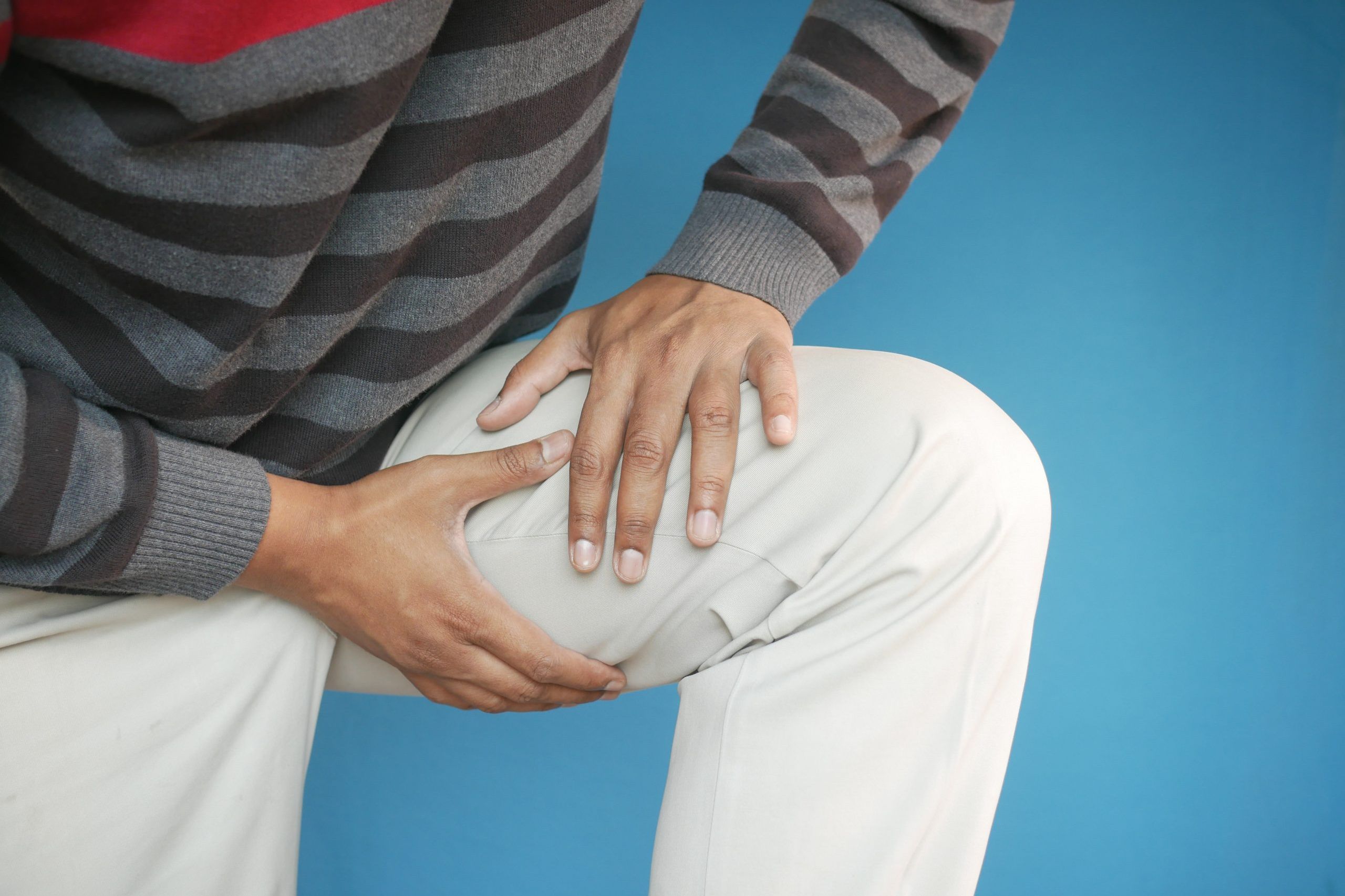

The use of red laser therapy is extensively researched to determine its efficacy in the healing of wounds growth of hair and the balance of hormones, sun damages discomfort as well as inflammation just to mention some. The potential benefits of this therapy have enabled treatment with red light at home to gain traction in a marketplace flooded with herbal extracts, supplements and tinctures, as well as other fitness devices that are not traditional.
To maximize the benefits of red light therapy at home choosing the appropriate Red light therapy equipment is essential. What factors are you required to think about when choosing the right red light therapy device for your home? Let’s take a look.
Let’s first be aware of the mechanism behind red light therapy.
It is a safe near-infrared and red light treatment which uses low-level red light to increase cell activity and encourage healing within the body. The red light penetrates into the skin to assist in improving circulation, decrease inflammation, speed up healing from wounds and promote creation of collagen as well as elastin in addition to other benefits that help promote young clear, healthy skin.
The most important factors to take into consideration when deciding on a red-light therapy device are:
1. Radiation
The term “irradiance” refers to an amount of power that a particular part of your body gets during a specific time period when making use of the gadget. Consider it the amount of energy that is delivered. This is probably the most significant factor when you are considering the use of the use of red light therapy at home because higher levels of radiation can yield more effective results in a shorter time.
The most commonly used format to measure the irradiance is milliwatts/square centimetre. e.g. 80 mW/cm2. But, simply declaring the irradiance value means absolutely nothing when the measurement of distance measurement is not stated. Certain red light therapy devices are equipped with a high mW/cm2 reading on the exterior of the device, but not on the object that is exposed to it.
2. Frequency
The frequency range utilized in the majority of device for red light therapy ranges between 633 nanometers (a dark red which goes through the skin to activates mitochondria) to 850 num (a near-infrared beam that penetrates deeper into tissues). This is the standard range of numerous treatments using red light due to the fact that many of the benefits that are most sought-after (like anti-aging) are based on it.
In general the wavelengths of red light penetrate the skin and stimulate the production of collagen and healing wounds. On the other hand near-infrared light wavelengths can penetrate further, allowing it to treat deeper wounds and muscle or joint discomfort.
It is important to note that although lower frequencies, like blue wavelengths, offer less intense penetration, it does not mean that they aren’t effective or don’t have therapeutic value. Low-level laser therapy that utilizes these frequencies is a great way to be used to treat skin problems like acne or the regulation of oil.
3. Area of coverage for treatment
What treatment will be targeted at the face or the entire body? While a lot of people would prefer smaller devices for treating stretch marks and wrinkles Others may choose larger devices if they wish to make the most for red light therapy to aid in the recovery of muscles, hair loss hormonal balance, and even joint pain.
If you have the money purchasing the treatment device that uses red light that has the greatest coverage is always the best option, as larger devices produce more light energy and have better performance than smaller models. These larger devices allow patients to get all-body red light therapy at the moment of need.
However, smaller devices aren’t good investments. Certain red light therapy devices are portable, allowing users to carry them to work, to a friend’s or family member’s house or even overseas.
4. The quality of the product
It is important to not ignore when it comes to supplements, tools and devices that are designed specifically for human use.
In this way, the popularity of using red light therapy at-home has left the market vulnerable to products that are made solely to profit from the latest trend. Always seek out standards or certificates attesting to the legitimacy and security of the device to ensure you are not buying an unsafe or fake Red light therapy equipment.
Standards to keep an eye out for include those related to the security of the components and those that concern the calibration of light sources.
5. Customer feedback
In the end the testimonials and satisfaction of customers provide evidence of how a certain device uses red light therapy in practice. Customers leave their comments on the results, user-friendliness as well as the intensity of the light and if the device is vulnerable to damage or needs a maintenance.
Customers will also inform you whether the business offers friendly customer refunds and replacement procedures.
Our Devices for Red Light Therapy
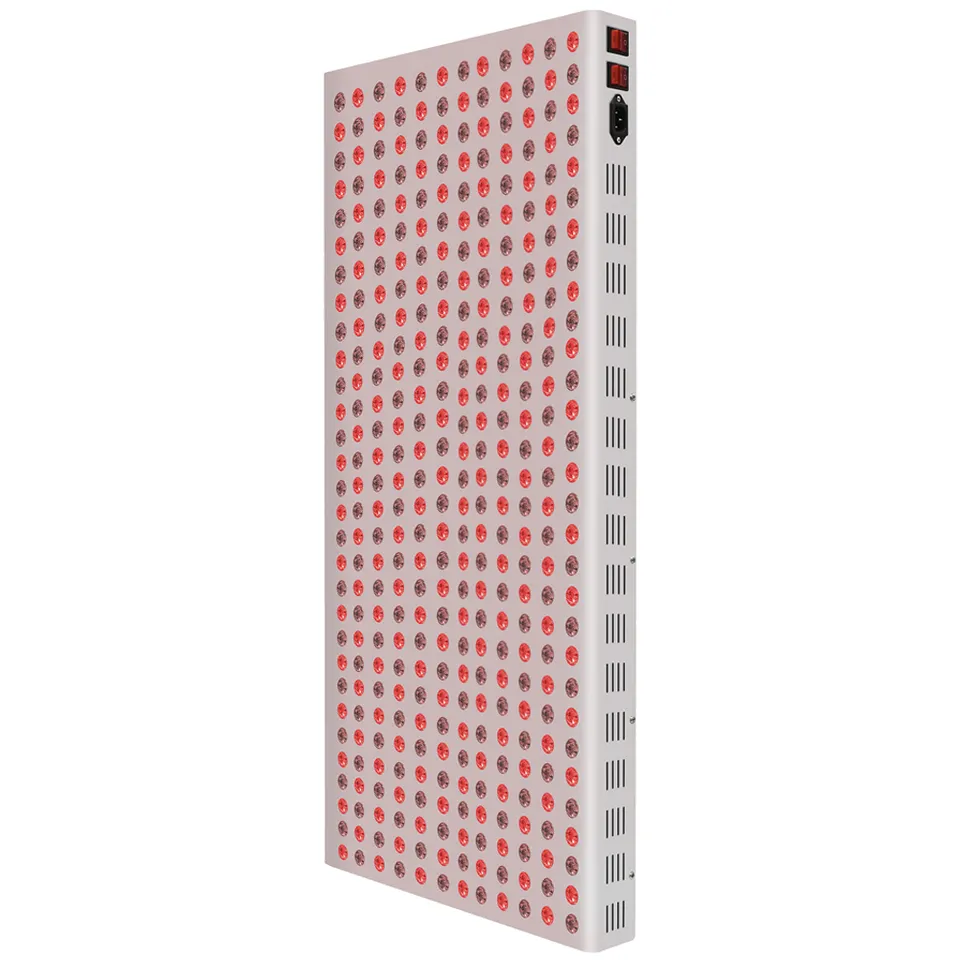
Exquisite FOS 1800W 660nm 850nm LED Red Light Therapy Panel
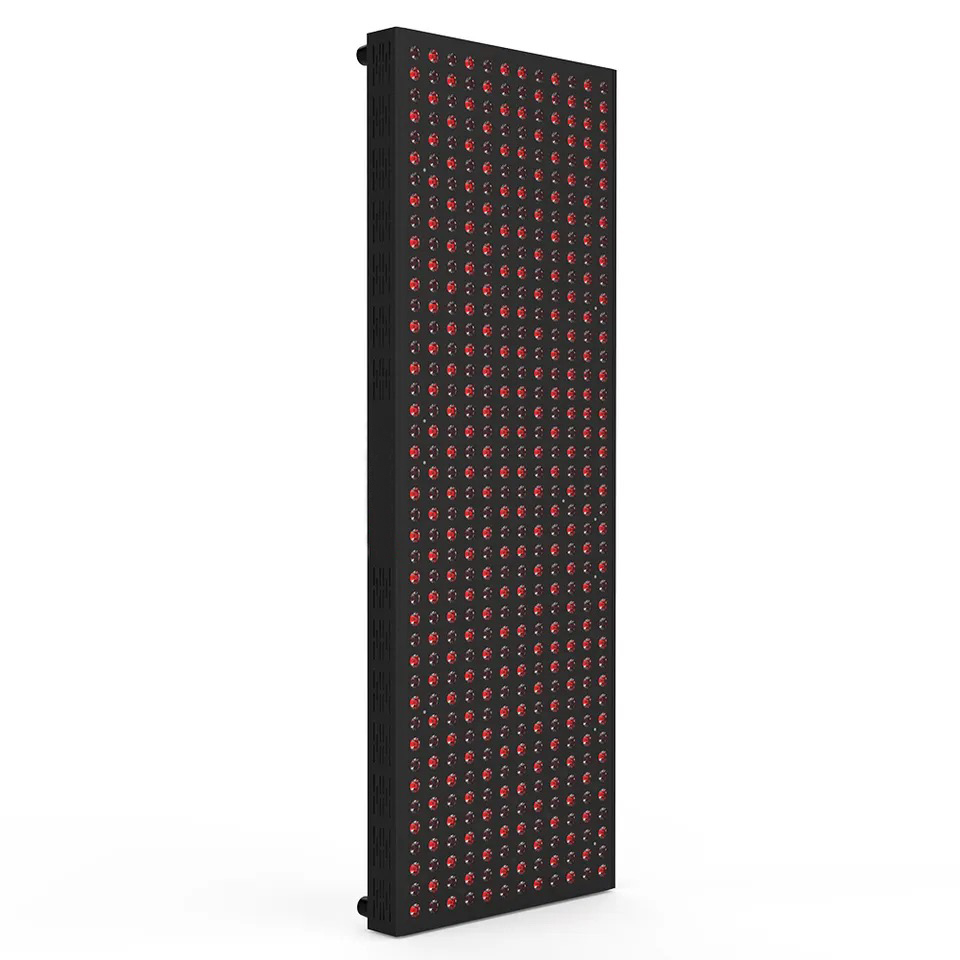
Exquisite FOS 2400W LED Red Light Therapy 630 660nm 830 850nm Infrared Panel
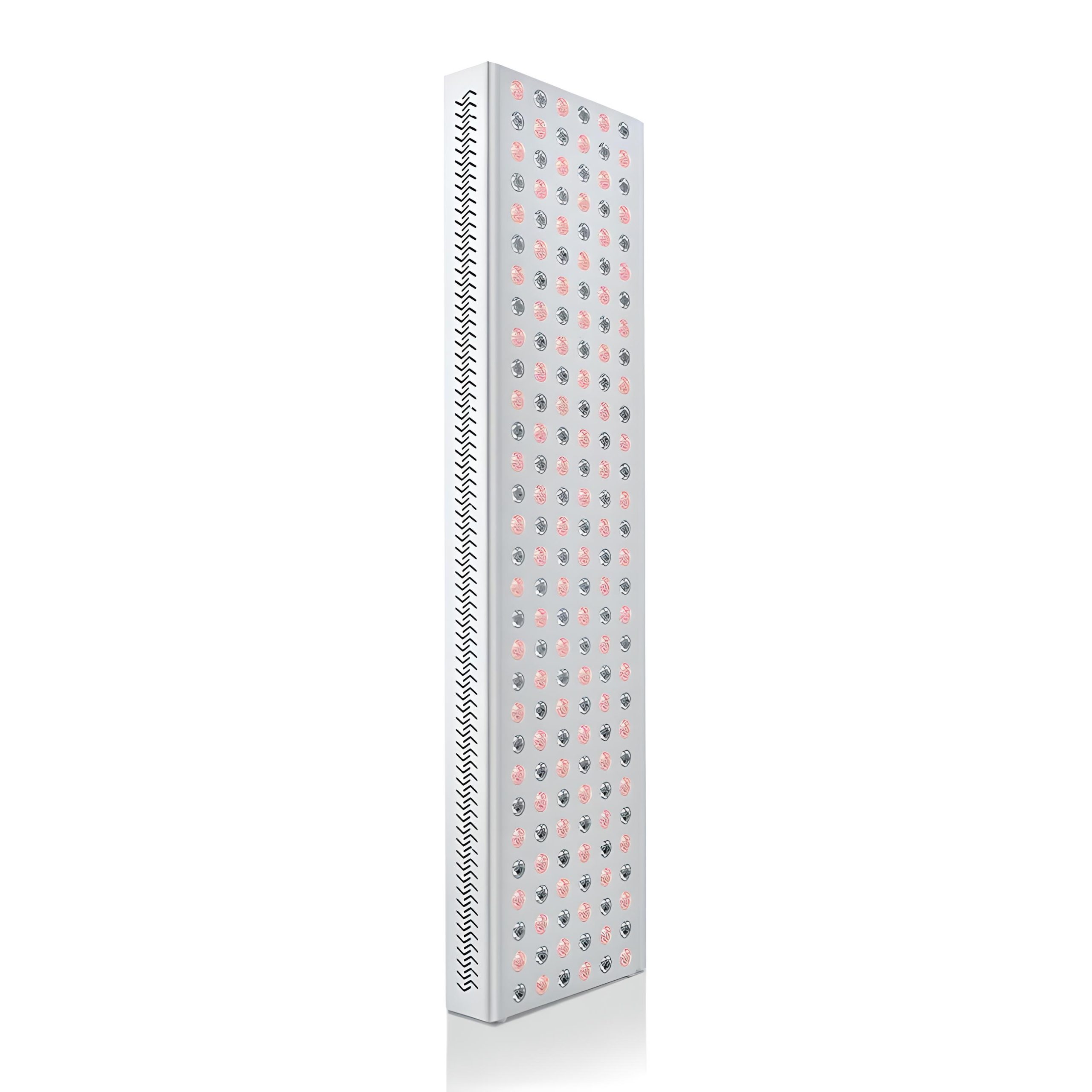
Exquisite FOS PRO 660nm 850nm Portable Red LED Light panel
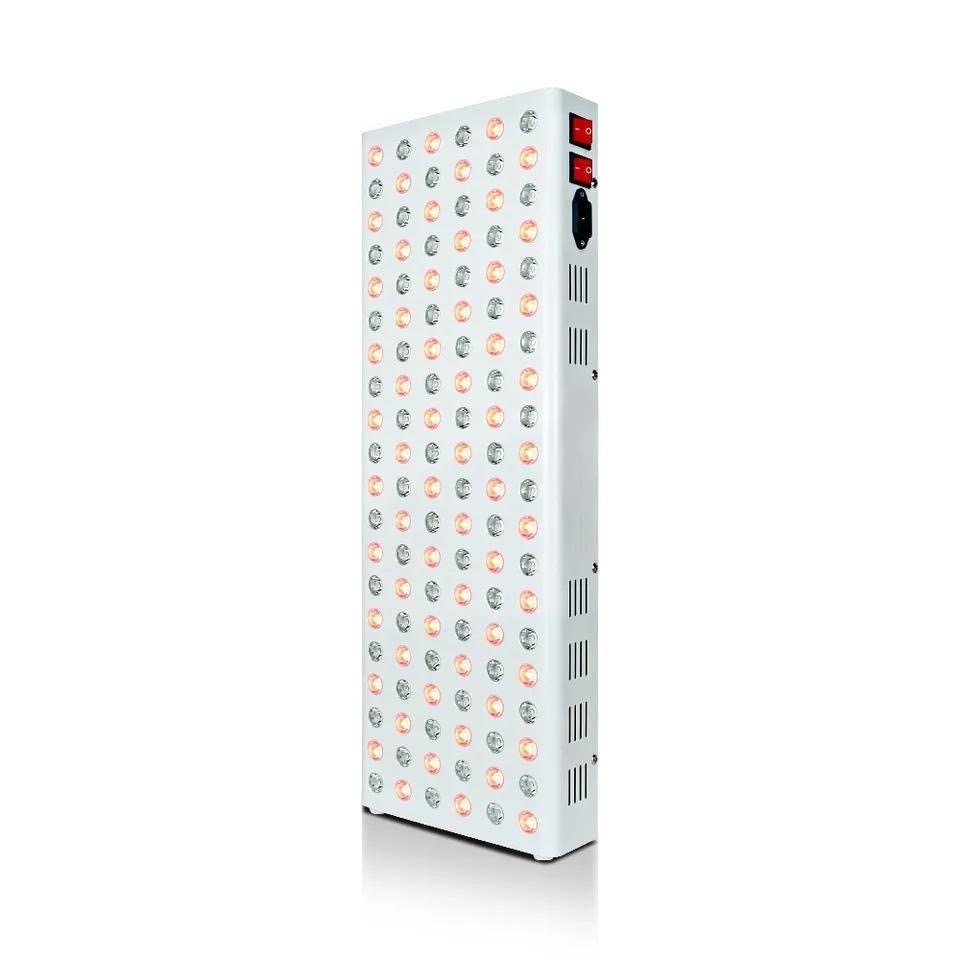
Exquisite FOS 600W LED Red Light Therapy Device 660nm 850nm Red Infrared Light Therapy Panel

Exquisite Eros Elite 8in1 Hydra Microdermabrasion Machine
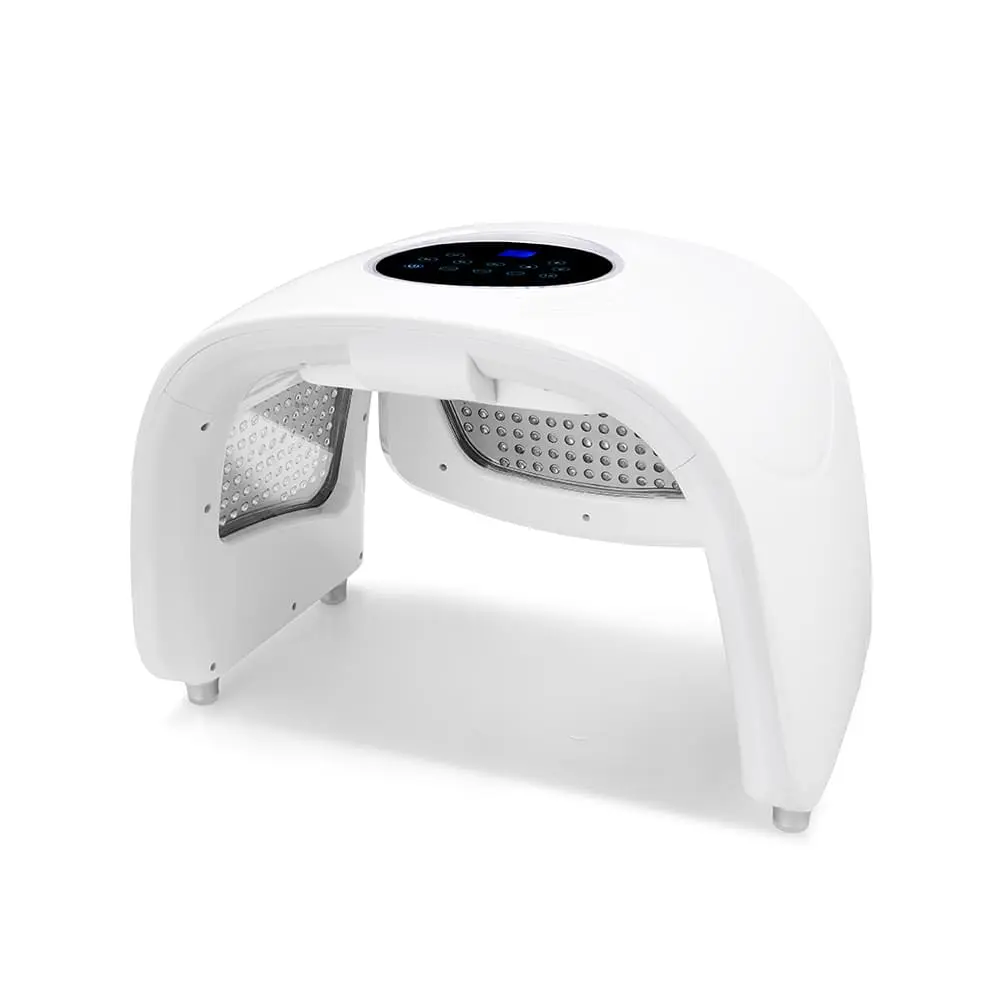
Exquisite 2in1 Ion Spray 7 Color LED Photon Therapy Lamp
To find out further about this research behind and research evidence for photobiomodulation, check out our blog.
I’ve heard that the Red light therapy was an illusion – is this factual?
The truth is that red light therapy isn’t an esoteric technique. There is an increasing amount of research that supports the efficacy of red light therapy in treating various health issues. Numerous studies have proven the therapy can aid in healing of wounds, decrease inflammation, improve the health of the skin as well as ease discomfort. But, like any treatment, it’s crucial to conduct your own research, and consult with a medical professional prior to commencing the red light treatment.
Who is not a good candidate for the red treatment with light?
The red light therapy provides numerous amazing benefits, but it’s not suitable for everyone.
People who are on medicines that cause an increase in exposure to sunlight or suffer from a medical history of eye diseases or skin cancer generally are not able to undergo treatments using LEDs.
Always speak to your primary health care provider prior to determining if it’s suitable and safe for you to undergo treatment with red light.
- Tafur J Mills PJ, Tafur J. Low-intensity laser therapy: exploring the role of mechanisms of redox. Photomed Laser Surg. 2008;26(4):323-328. doi:10.1089/pho.2007.2184
- de Freitas LF, Hamblin MR. Proposed Mechanisms for Photobiomodulation, or the Low-Level Therapy. IEEE J Sel Top Quantum Electron. 2016;22(3):7000417. doi:10.1109/JSTQE.2016.2561201
- Ferraresi C, Kaippert B, Avci P, et al. Laser therapy at low levels (light) therapy enhances mitochondrial membrane potential as well as ATP production in C2C12 myotubes. The peak response between 3-6 h. Photochem Photobiol. 2015;91(2):411-416. doi:10.1111/php.12397
- Hu D, Zhu S, Potas JR. Red LED photobiomodulation decreases sensory hypersensitivity to pain and improves function after mild T10 the spinal cord. J Neuroinflammation. 2016;13(1):200. Published 2016 Aug 26. doi:10.1186/s12974-016-0679-3
- Avci P, Gupta A, Sadasivam M, et al. Laser low-level (light) treatment (LLLT) in the skin stimulating, healing, rejuvenating. Semin Cutan Med Surg. 2013;32(1):41-52.