

CO2 carbon dioxide laser resurfacing employs specific beams of light to eliminate the outer part of the skin.
This kind of treatment could:
- remove skin cancer
- treat skin problems that are cosmetic that cause deep or fine wrinkles, lines, and acne marks
- Treat skin discoloration areas that cause skin discoloration, such as sun spots and age spots.
Depending on the issue to be addressed depending on the issue being addressed, a doctor of dermatology or cosmetic surgery may employ fractional lasers which is a different kind of CO2 laser. However, fractional lasers are more delicate than CO2 lasers with a traditional design and are therefore primarily utilized to address wrinkles or the appearance of blotchy skin.
Find out all you must learn about CO2 laser resurfacing.
What is CO2 lasers function?
C02 laser resurfacing employs laser light pulses. The beams penetrate the skin’s surface, and the cellulite in the skin absorbs them.
In this case when this happens, it is when the epidermis the superficial part of the skin is evaporated. Dermis, also known as the middle layer, is heated and stimulates the growth of collagen fibers. When the area heals, new , firmer skin is replaced by smoother, firmer old layers.
In CO2 laser resurfacing, an aesthetic dermatologist or surgeon may target certain regions of your face with pinpoint accuracy so that the treatment doesn’t impact the other skin that is close to.
How Do You Prepare
Your dermatologist will provide you with instructions on how to prepare for treatment. Based upon your health history the pre-treatment generally comprises:
- Avoiding sunburn or excessive exposure for four weeks prior to treatment
- avoid using any medications that trigger sun sensitivity, for example doxycycline for 3 days prior to treatment
- using an antiviral medicine for a few days prior to and after treatment if have an background of herpes or shingles.
- Stopping smoking for two weeks prior and after treatment. This is because smoking is a risk to healing
The Process
Here’s a brief outline of what you can expect the day of the CO2 laser treatment
- The outpatient procedure typically will take approximately 30 minutes to two hours depending on the issue to be addressed as well as the region of the skin being treated.
- CO2 laser resurfacing can cause some discomfort. The amount of discomfort you feel will be determined by the depth and intensity of the resurfacing as well as the expertise of the surgeon or dermatologist and your own tolerance to pain.
- You’ll be given a mix with locally anesthetic as well as an sedate to ease the pain and allow you to relax. If you need to undergo extensive resurfacing the procedure, you could get general anesthesia to allow you to sleep during the procedure.
- Before you begin the treatment your facial skin is thoroughly cleansed and you’ll be provided with special eyewear that protects your eyes from laser damage.
- During the procedure the surgeon or dermatologist will move the wand of the laser slowly over the skin area being treated.
- You can get an ice pack that you apply to the affected location for fifteen minutes in order to stop swelling.
- Then, an antibacterial ointment and non-stick dressing are applied to the affected skin. Follow the instructions typically for up to 24 hours.
It is possible that you will require multiple sessions of treatment in accordance with the type of treatments required and the power of the laser utilized.
What’s Are The Advantages?
CO2 laser resurfacing may treat many medical and cosmetic skin conditions, that range from visible signs of age and sun damage, to scars as well as skin cancer.
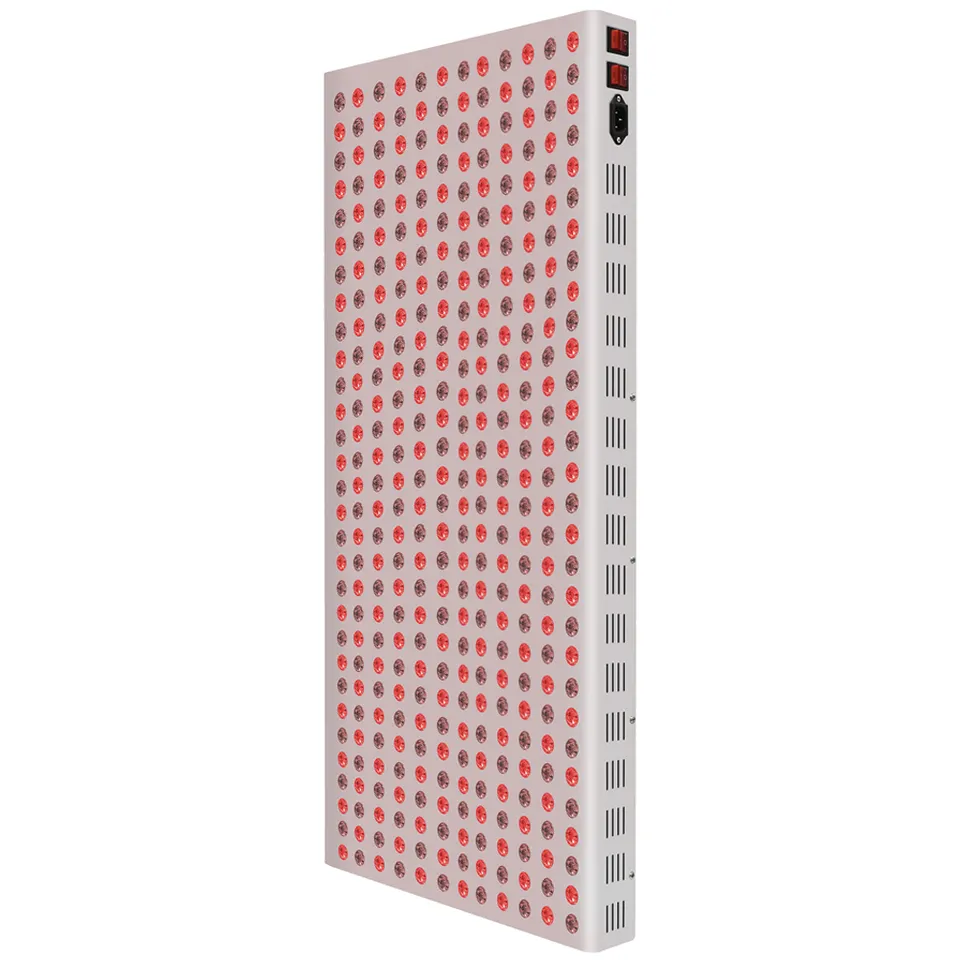
Exquisite FOS 1800W 660nm 850nm LED Red Light Therapy Panel
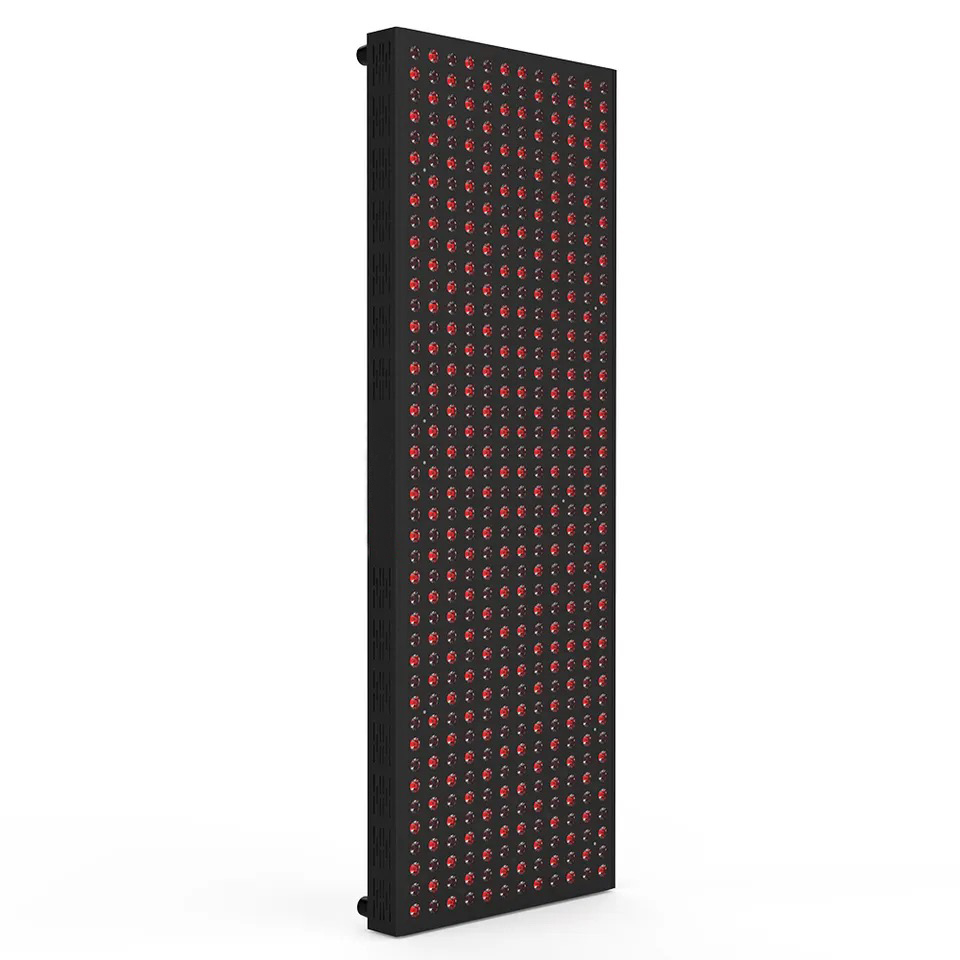
Exquisite FOS 2400W LED Red Light Therapy 630 660nm 830 850nm Infrared Panel
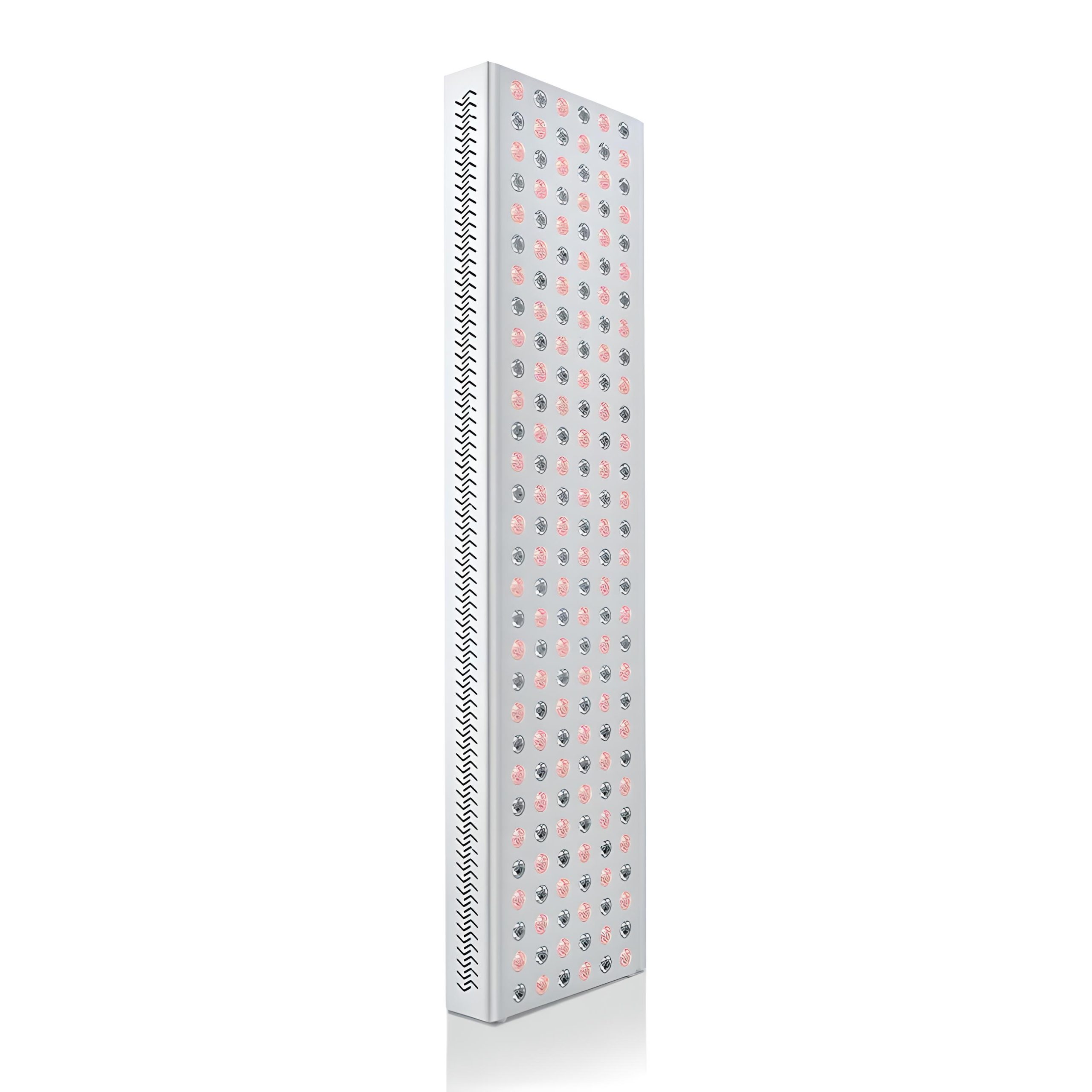
Exquisite FOS PRO 660nm 850nm Portable Red LED Light panel
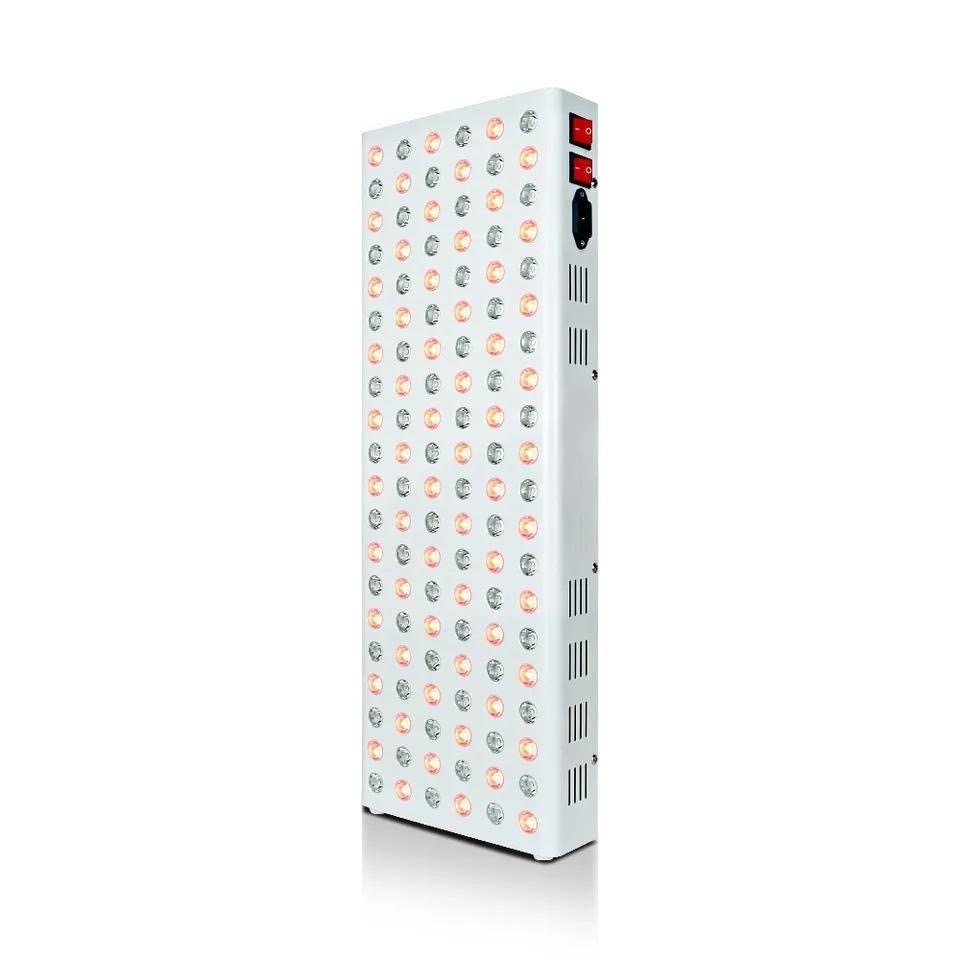
Exquisite FOS 600W LED Red Light Therapy Device 660nm 850nm Red Infrared Light Therapy Panel

Exquisite Titanium Mesotherapy Needle Free Gun Facial Rejuvenation Machine

Exquisite Therapévo Veterinary Hyperbaric Oxygen Chamber for Animal Clinic
Fine wrinkles and lines
CO2 laser resurfacing is a great way to reduce the appearance of wrinkles and fine lines. It can be particularly beneficial for:
- Crow’s feet or lines or wrinkles under and around the eyes
- wrinkles and lines appear on your forehead
- smile lines, or those appear from the mouth
It’s not just about reducing wrinkles immediately, but it also boosts collagen production. This can boost the condition of your skin as time passes.
Skin damaged by sun
The exposure to UV light could cause obvious signs of aging skin like:
- wrinkles
- sagging due to decreased elasticity
- rough and uneven texture of the skin
- spots on the liver along with sunspots
- spider veins
CO2 laser resurfacing may significantly diminish the appearance of of the previously mentioned.
Eyes that Are Baggy
The loose skin that covers the lower and upper eyelids could cause what’s commonly referred to by the term “baggy” as well as “hooded eyelids.”
CO2 lasers are able to to tighten skin. They can also aid in improving the appearance of eyelids and reduce the appearance of eyes that are sagging.
Acne Scars
C02 laser treatment reduces the look of the appearance of acne skin scars because it stimulates collagen production, which helps to improve the appearance and smoothness of the marks.
However, it might not be effective on all kinds or acne-related scars.
A review in 2018 review, Trusted Source suggests combination therapy which includes subcision, microneedling, and the trichloroacetic acid (TCA) peel may be more effective for those with acne scars that are ice-pick-like.
Warts
Dermatologists typically recommend alternative treatments, such as over-the-counter solutions or freezing, for warts. They may also recommend lasers for warts that do not react to treatments other than lasers.
Sebaceous hyperplasia
Sebaceous Hyperplasia occurs when sebum is stuck in the oil gland. As a result the gland gets enlarged and produces a tiny, lump of wax in the face, most often around the eyes. Although they are not harmful, some opt to have them removed due to aesthetic reasons.
CO2 lasers are effective in removing these bumps , and also prevent the growth of new ones although some research suggests that an erbium laser could be a better choice. A review of the 2020 year revealed that treatment with an erbium laser usually needs one session and has lesser adverse effects than CO2 or other lasers.
Skin cancer
CO2 lasers can be used to in the prevention or treatment of skin cancers by shrinking and degrading tissue , with no damage or bleeding to the surrounding tissue.
A dermatologist may employ CO2 lasers for pre-cancerous actinic skin keratoses as well, or in certain instances, to treat certain kinds of skin cancer.
Safety and potential side negative effects
CO2 lasers, used since the 1960s in the early days of Trusted Source are considered secure and efficient.
However, as with all procedures that involve CO2 lasers, CO2 laser resurfacing can have some risks. The procedure carried out by a respected dermatologist who is board certified or a plastic surgeon will significantly reduce your chance of suffering complications.
Common negative side consequences of CO2 laser Resurfacing may include:
- the appearance of skin discoloration or swelling.
- skin that is rough itchy, like an occasional sunburn
- Itching
- Dryness and peeling
- sun sensitivity
Resurfacing that is more thorough, deeper and longer-lasting could result in your skin looking and feeling as if it’s have been after a serious sunburn. The skin could also break out and blister.
Potentially threatening issues
The resurfacing of CO2 lasers may result in:
- infection
- acne flares
- cold sore Reactivation, if have an history of cold sores
- scarring
- Mila or very tiny skin bumps
- hyperpigmentation
- skin burns and cuts when the laser isn’t utilized in a safe manner
Also, selecting a board-certified cosmetic surgeon or dermatologist, and adhering to the post-care and care instructions greatly reduces the risk of developing any adverse negative effects or issues.
What is the recovery like?
It generally takes a couple of weeks to heal from CO2 laser rejuvenation. Follow the dermatologist’s or surgeon’s instructions for aftercare will aid in healing and reduce the risk of developing complications.
Here’s what you should anticipate during the process of recovery:
- The skin may feel rough in the beginning and can feel similar to an sunburn with irritation, itching and peeling.
- The skin can be swollen, leak yellow liquid and then form a crust.
- In about 5-7 days, the skin becomes dry and begin peeling. The skin beneath could have an appearance that is pale or pink which will eventually take the color of your skin. This can be up to an entire year.
These suggestions can be helpful in the healing process:
- Avoid rubbing, scratching or picking your skin.
- Cleanse your skin using the method prescribed by your physician generally 2-5 times per day using saline or vinegar solution.
- Spread a small amount moisturizing or antibacterial ointment two times each day, as suggested by your physician.
- Apply an frozen pack of ice wrapped in a soft, clean towel to the area , as necessary during the first 24 hours.
- Keep your head up to ease swelling.
- When your skin is healed and heals, dress in clothes that cover the area or apply a sunscreen designed to protect sensitive skin each time you venture out.
How to obtain CO2 Laser Resurfacing
To reduce the risk of complications and obtain the most effective results from the procedure, choose an experienced, board certified plastic surgeon or dermatologist. Ask your physician to refer you to a specialist or locate one near you through one of these sites:
- American Society of Plastic Surgeons
- American Academy of Dermatology (AAD)
- American Board of Cosmetic Surgery
- The American Society of Dermatologic Surgery
- Skin Cancer Foundation
What is the price of the Procedure?
As per RealSelf the CO2 laser resurfacing costson average around $2,750. A few of their reviewers mention paying up to $6,100 however.
The cost of treatment varies between fractional and ablative treatment that is, ablative laser treatments are more costly. Other elements that influence the price you pay for CO2 laser resurfacing are:
- Location
- the credentials of your dermatologist or surgeon and their experience
- the amount of sessions required to reach the desired result
- the skin’s surface that receives the treatment
Insurance generally doesn’t cover cosmetic procedures. But your insurance provider might allow laser treatments for medically essential reasons, like removing skin cancer.
Learn more about the options for coverage by speaking with your insurance company.
Bottom line
If done by a qualified dermatologist or cosmetic surgeon A CO2 laser treatment performed by a qualified dermatologist or cosmetic surgeon can improve your skin’s appearance and treat skin issues.
Considering CO2 laser treatment? Begin by scheduling an appointment with a respected specialist for advice on how this treatment can aid your skin issues.


