

Researchers at the NCI Center for Cancer Research found that near-infrared immunotherapy for cancer treatment has the potential of killing cancer cells in record times, effectively destroying them by flicking a switch (the Red Light Therapy Switch). Scientists weren’t sure of the mechanisms behind this approach. They were able to elucidate this technique at a cellular and molecular level. This could allow scientists to further enhance the effectiveness of the new treatment. The findings from Hisataka K. Kobayashi, M.D. Ph.D. Senior investigator in the Molecular Imaging Program and colleagues were published in ACS Central Science on November 6, 2018.
Near-infrared immunology (NIR), a new technique to treat cancer that has already been studied in clinical trials, is a promising treatment. The technique involves finding a protein known as an antibody which recognizes and targets specific types of cancer cells. The antibody is then combined with a compound sensitive to light, and administered to the patient. The drug only attaches itself to cancerous cells in the body. Then, the doctors use a fiber-optic needle to apply an infrared beam to the cancerous area. This activates the drug, and the cancer cells die. The research of Dr. Kobayashi’s colleagues provides new information on how cell death is caused.
Using sophisticated microscopes, the researchers studied the effects of a near infrared immune therapy agent called antibody-IR700. The plate was a petri-dish that simulated human cancer cells. Researchers discovered that near-infrared exposure causes the immunotherapy agents to transform from a Y-shaped shape to a globular one. This warping occurs when the agent is embedded within a cancerous cell’s membrane. It causes scratches on the protective casing of the cell. After enough scratches, the liquid will burst through the membrane of the cancer cell. This causes the cell to rupture within a minute after exposure to light.
Researchers also tested this technique on a mouse that had multiple tumors. They applied different amounts of light intensity to each tumor. The researchers found that the higher the light intensity, more cancer cells were eliminated. They found “leftovers”, or immunotherapy agents, in the urine of mice just hours after the near-infrared lights were applied to the site. This was a clear indication that cancer cells had been killed.
Dr. Kobayashi explains that the technique does not just attack cancer cells, but also boosts the immune system. The immune system is exposed to all the proteins of the cell, including its DNA. “The immune system will recognize [that the proteins and DNA] are coming from the dying cells, and the immune system then will react only to dying cancerous cells.”
Near-infrared therapy could be used to treat any type of cancer, if the correct antibody was identified and used. Researchers analyzed IR-700 near-infrared immune therapy agent, which will be tested for head and throat cancer in phase III trials.
Understanding why near-infrared therapy works is important for many reasons. Kobayashi explains: “Based on these insights, we may be able design a superior IR700 which would be improved in several respects, including activation wavelengths, stability, and cytotoxic effectiveness.”
Immunological effects after NIR
NIR-PIT has the ability to destroy cancer cells without causing damage to normal cells or compromising host immunity. NIR-PIT also induces ICD, which is to say, it activates host immunity towards cancer cells. Cancer cells treated with NIR-PIT release death signals such as calreticulin and ATP. These death signals can activate immature DCs in adjacent tumor beds. These signals stimulate the maturation immature DCs which then engulf the cancer-specific antigens released by the ruptured tumor cells. The mature DCs then prime and educate the naive CD8+T cells into cancer-specific cells. These newly primed CD8+T cells attack and multiply other cancer cells. This results in an enhanced host anti-tumor immunity response. This process can convert non-immunogenic tumours into immunogenic ones by recognizing the massively released neoantigens.
The anti-tumor immunity is activated first at the site of the tumor. It eventually spreads to other sites of cancer because immune cells migrate through the body, leading to a systemic response. NIR PIT, though a local treatment, can have a systemic effect and affect distant metastatic areas. Some tumor-bearing cancer patients and mice achieve a complete remission following a single treatment of NIR-PIT that targets cancer cells.
NIR-PIT induces host immune activation that simultaneously activates multiple antigens released by ruptured cancer cells. The majority of targeted immunotherapies today, such as cancer vaccines and CAR-T treatments, use a single target to guide the treatment. Multiple clones anti-tumor cells, each of which responds to a unique antigen result in a comprehensive response against tumors that express a wide spectrum of cancer specific neoantigens.
NIR-PIT elicited a powerful immune response in humans. In 2016 and 2017, the first-in-human phase 1 and phase 2 clinical trials of NIR PIT in combination with cetuximab IR700, targeting EGFR, were completed. These studies involved patients with recurrent or advanced head and neck squamous-cell cancer. These studies reported several complete remissions as well as multiple significant partial remissions. These results were far superior to those obtained in pre-clinical models using immune-deficient hosts xenografts. After the models were converted to syngeneic versions, a robust response was observed. This same response has been observed in humans.
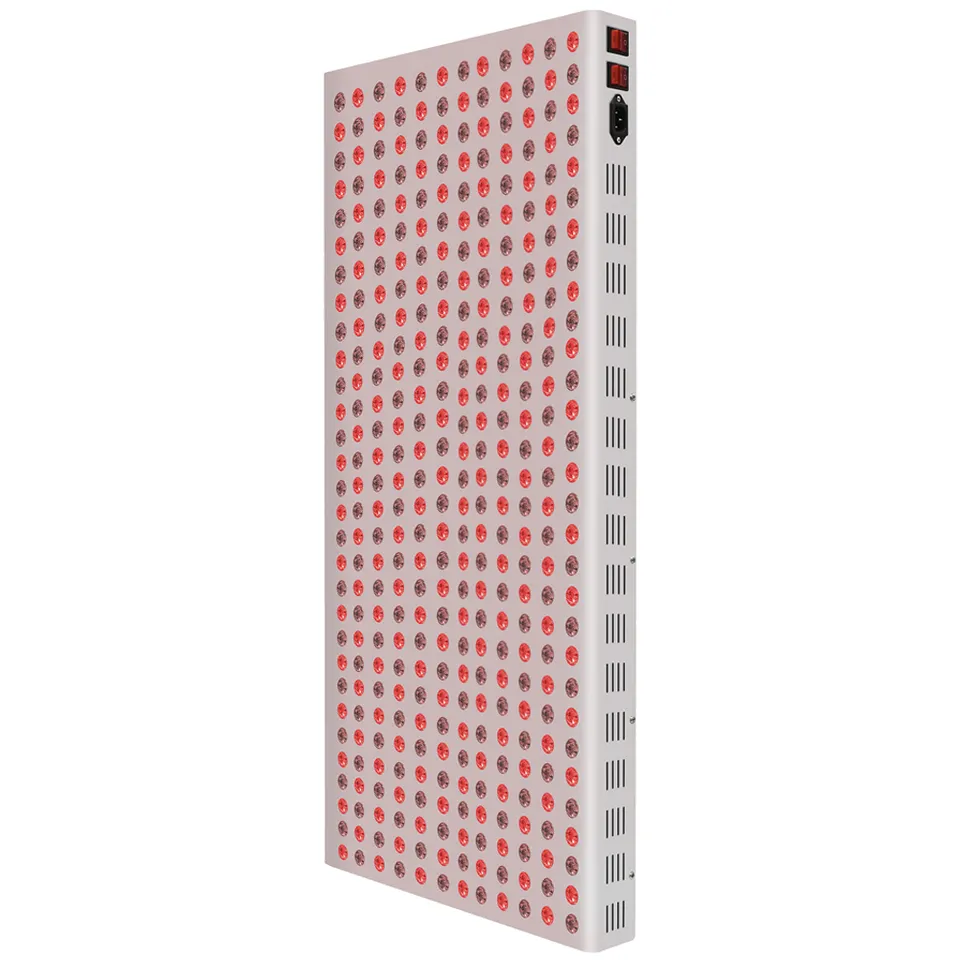
Exquisite FOS 1800W 660nm 850nm LED Red Light Therapy Panel
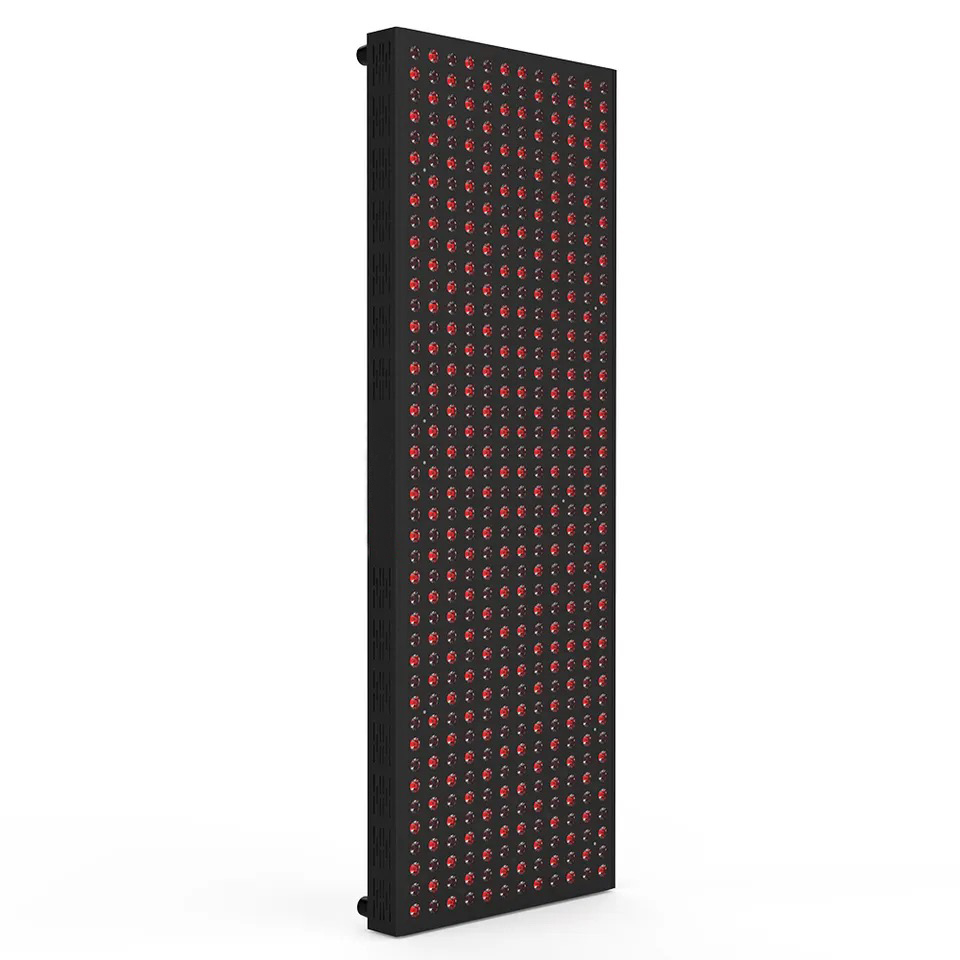
Exquisite FOS 2400W LED Red Light Therapy 630 660nm 830 850nm Infrared Panel
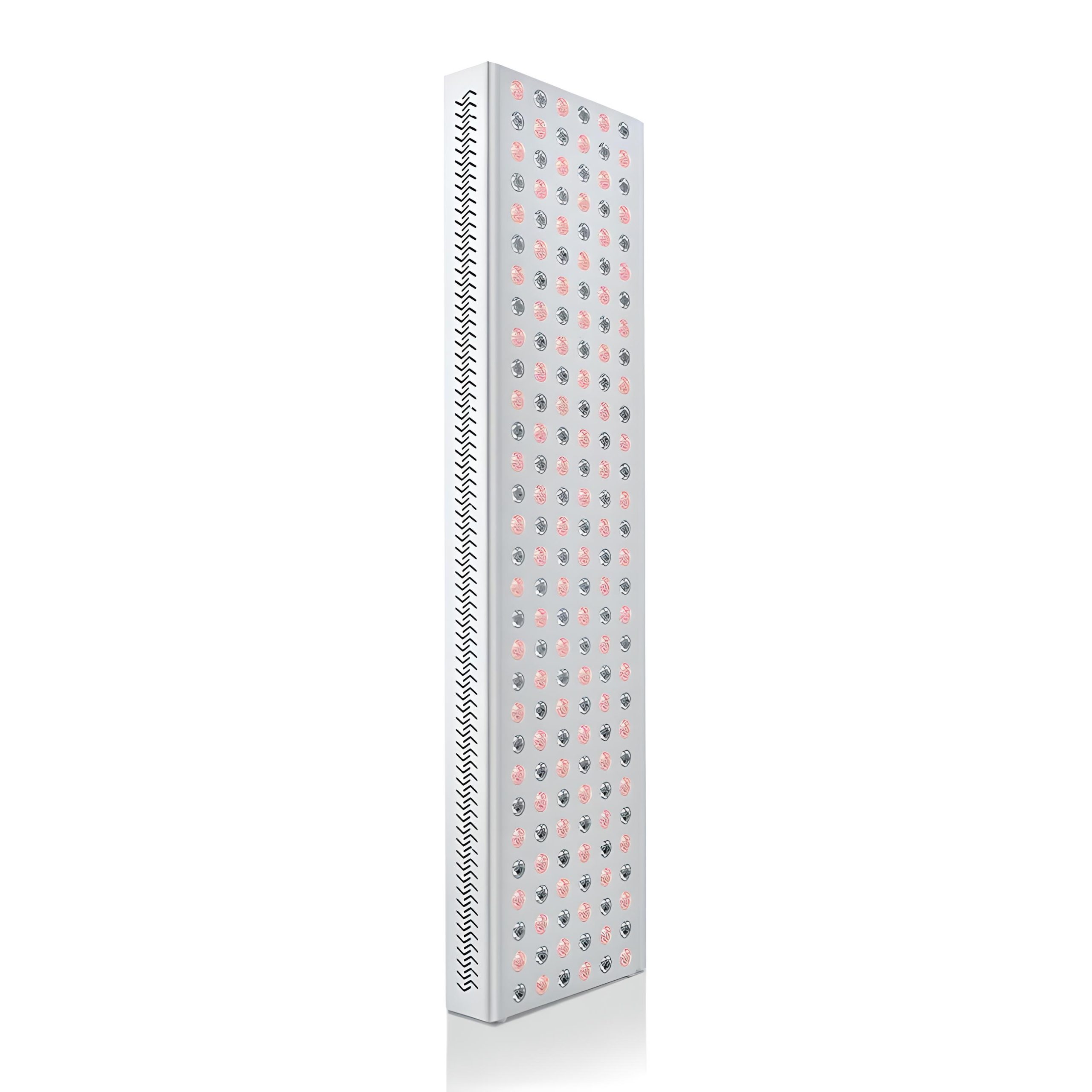
Exquisite FOS PRO 660nm 850nm Portable Red LED Light panel
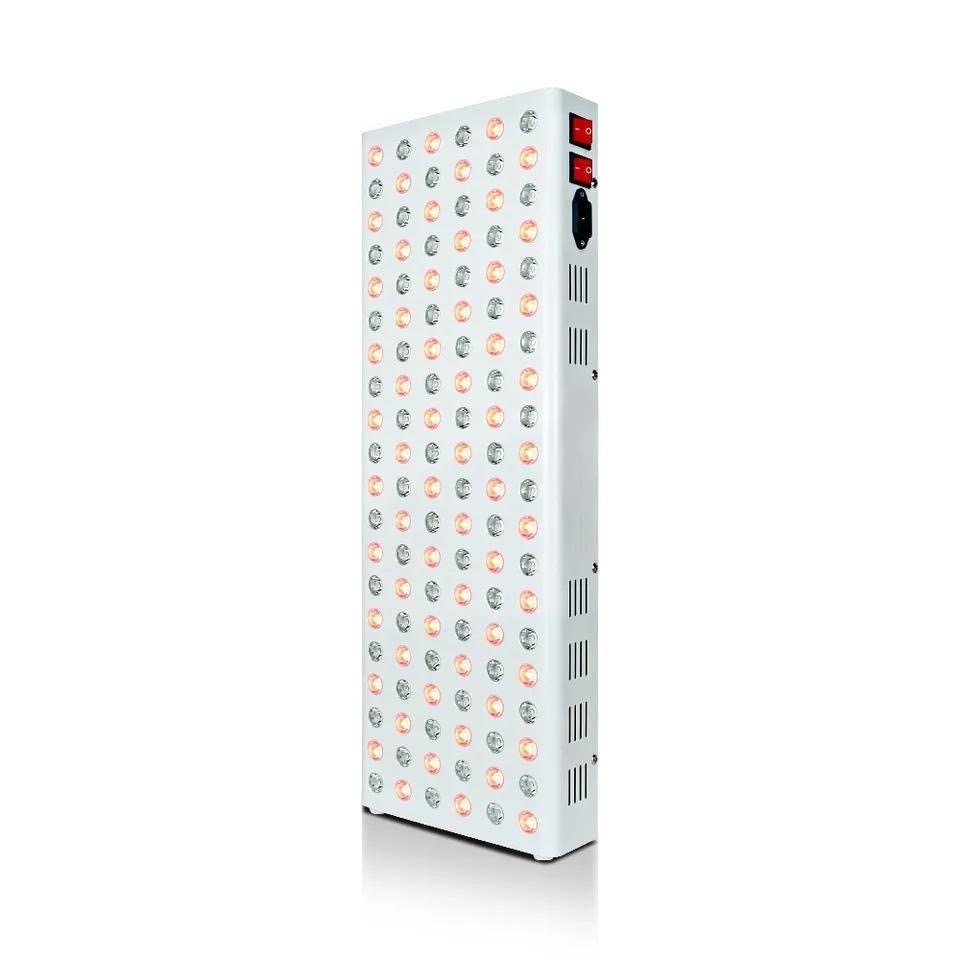
Exquisite FOS 600W LED Red Light Therapy Device 660nm 850nm Red Infrared Light Therapy Panel

Exquisite Eros Elite 8in1 Hydra Microdermabrasion Machine
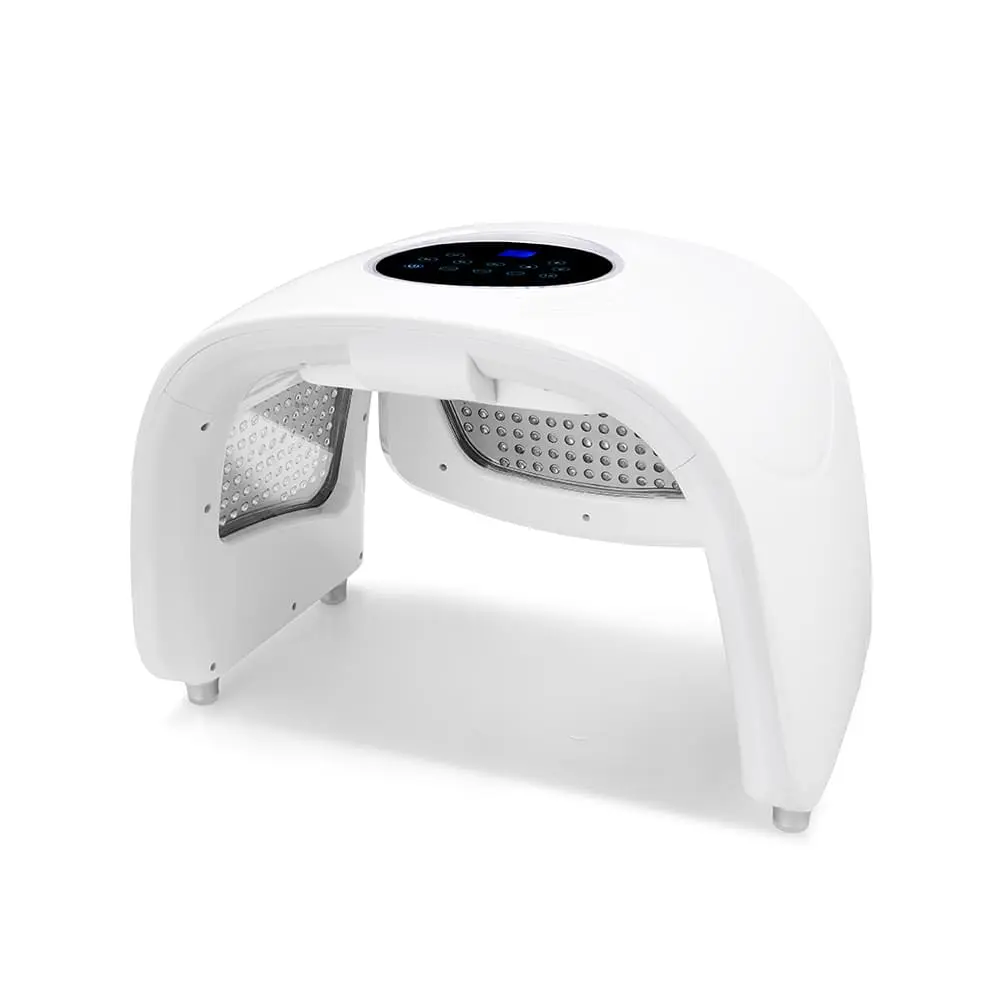
Exquisite 2in1 Ion Spray 7 Color LED Photon Therapy Lamp